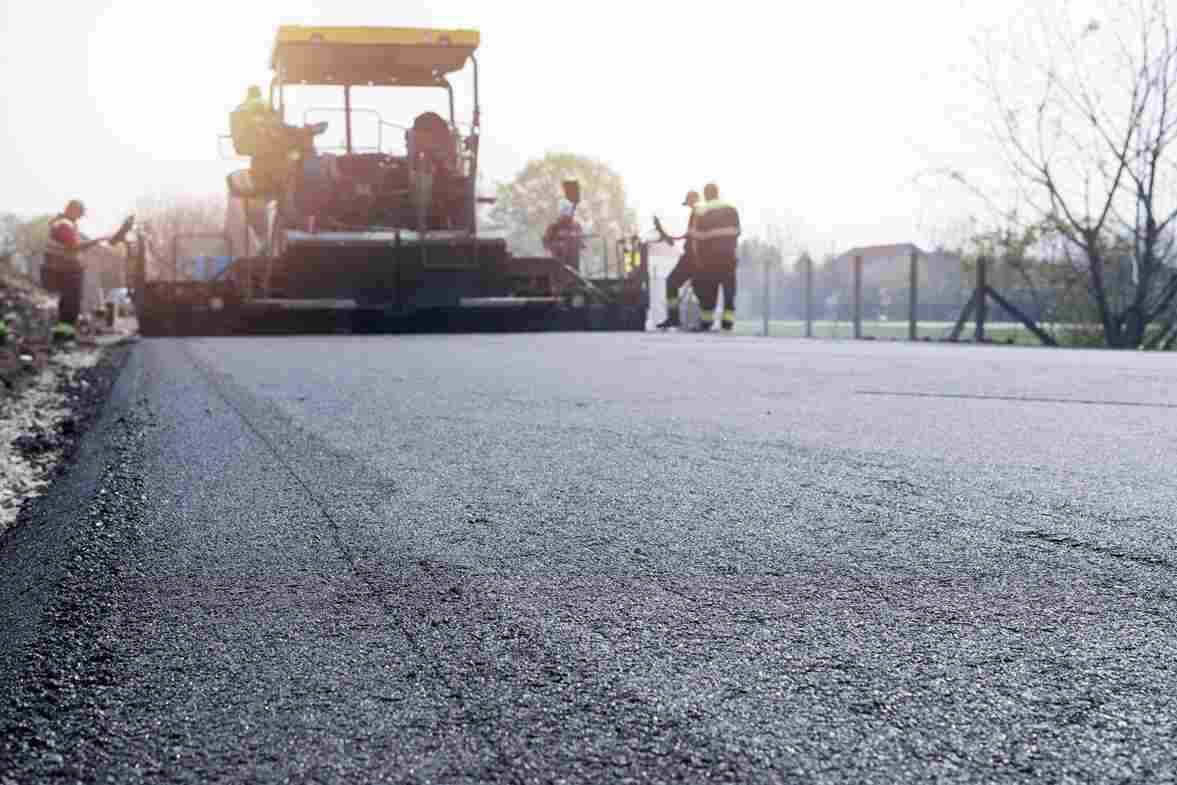
You already know why asphalt repair and maintenance are so important if you’ve ever hit a pothole on your way to work or seen cracks going across a country highway. And the roads made of asphalt have to bear the pain of these potholes and cracks.
Roads are like veins in Australia’s transportation system. They keep everything moving, from daily traffic to freight trucks that deliver important items between states. But asphalt doesn’t last forever. It breaks down, cracks, and eventually falls apart if you don’t take care of it.
The good news? As long as they are fixed and maintained correctly, asphalt roads can last for decades. Let’s talk about why asphalt maintenance by Civilcraft is important, how it works, who is in charge of it, and what it truly takes to keep Australian roads in good repair.
Why Asphalt Repair and Maintenance Are Non-Negotiable
Australia has one of the largest road networks in the world, stretching over 877,000 km. That’s a lot of road surface exposed to heatwaves, heavy rain, and high traffic volumes. Without timely asphalt repair and maintenance, roads quickly develop:
- Potholes that damage vehicles
- Surface wear that creates unsafe driving conditions
- Cracks that allow water to seep in and break the pavement apart
The result? Roads that aren’t safe will have higher repair costs in the future, and there will be a lot of trouble for people who commute every day. Think of maintenance like monthly health checkups for highways. It’s cheaper and less painful than having to cope with a big breakdown.
The Role of Asphalt in Australian Roads
There’s a reason why asphalt is so popular. It lasts a long time, is smooth, and doesn’t cost a lot. Asphalt roads are better at handling Australia’s harsh weather than gravel or concrete roads, and they can be fixed rapidly with little trouble.
But even asphalt needs a little TLC (Tender Loving Care). From city freeways to regional highways, regular asphalt repair and maintenance keep surfaces safe, quiet, and long-lasting.
Types of Asphalt Repair and Maintenance
Not all road issues are equal, and neither are the fixes. Here are the most common methods:
1. Crack Sealing
- Even though small cracks don’t seem like a huge deal, they might lead to big problems on the road. Sealing them early keeps water out and stops it from doing more damage.
2. Pothole Patching
- This is probably the most common fix. Workers take away the damaged part, fill it with new asphalt, and then pack it down. If done correctly, it fits right in with the road.
3. Resurfacing (Overlaying)
- Resurfacing provides a new layer of asphalt on top of roads that appear bad but aren’t fully broken. It makes driving comfortable and extends the road’s life without having to rebuild it.
4. Full Depth Reclamation
- If the road is badly damaged, the maintenance staff has to start over from scratch. This process costs a lot, but sometimes you have to do it.
5. Preventive Maintenance
- It’s like a sunblock for the roads. Surface treatments, seal coatings, or rejuvenators improve asphalt’s resistance to weather and traffic damage.
Authorities Involved in Road Repair and Maintenance
Australia takes its road network seriously, and multiple agencies share responsibility for keeping roads in shape:
- Australian Government – Department of Infrastructure, Transport, Regional Development, Communications and the Arts: Oversees national transport infrastructure funding.
- State and Territory Road Authorities:
- Transport for NSW (New South Wales)
- VicRoads (Victoria)
- Department of Transport and Main Roads (Queensland)
- Main Roads Western Australia
- Department for Infrastructure and Transport (South Australia)
- Department of State Growth (Tasmania)
- Northern Territory Department of Infrastructure, Planning and Logistics
- Transport Canberra and City Services (ACT)
- Local Councils: Maintain local and regional roads, ensuring smaller communities aren’t left behind.
Each authority hires contractors and private asphalt companies to do asphalt repair and maintenance work on the ground.
The Cost of Neglect
Here’s what happens when asphalt maintenance is ignored:
- Traffic delays pile up, affecting businesses and commuters.
- Repair costs skyrocket (reactive repairs are far more expensive).
- Vehicle owners face damage costs, including tyres, suspensions, and fuel inefficiency.
According to Infrastructure Australia, every $1 spent on road maintenance saves around $6 in future repairs. That’s a big return on investment.
New Trends in Asphalt Repair and Maintenance
Australia is using improved techniques to take care of asphalt as road technology improves:
- Recycled Asphalt Pavement (RAP): Making new layers out of old asphalt is cheaper and better for the environment.
- Smart Sensors: Some projects now use built-in sensors to keep an eye on the state of the pavement in real time.
- Warm Mix Asphalt: Made at lower temperatures, which lowers emissions and energy costs.
Why Asphalt Repair Matters Beyond Roads
It’s not just about smoother drives. Proper asphalt repair and maintenance impacts:
- Safety: Fewer potholes mean fewer accidents.
- Environment: Well-maintained asphalt reduces fuel consumption.
- Economy: Freight moves faster on better roads, boosting trade and commerce.
The Future of Asphalt in Australia
As climate change makes extreme weather more common, the need for long-lasting asphalt solutions will only grow. Expect materials to be stronger, more recycling to happen, and a bigger focus on sustainability. The government’s goal of “net-zero emissions” by 2050 also puts pressure on the road construction industry to come up with new ideas.
Also Read:- Concrete Repairs: Essential Guide for Durable Infrastructure in Australia
Conclusion
Australia’s roads are the backbone of the nation. But like any backbone, they need care to stay strong. Investing in asphalt repair and maintenance isn’t just about fixing potholes; it’s about extending the life of roads, ensuring safer travel, and saving money long-term.
With federal and state authorities, local councils, and private contractors working together, the goal is simple: smoother, safer, longer-lasting roads for everyone.
FAQs
Q:- Who is responsible for asphalt repair in Australia?
Ans:- Depending on the type of road, either the state road authority or the local municipality is in charge of repairs and maintenance.
Q:- How often do asphalt roads need maintenance?
Ans:- You could need to seal cracks every 2 to 3 years, and you might need to resurface every 10 to 15 years.
Q:- Is recycled asphalt used in Australia?
Ans:- Yes, a lot of people use recycled asphalt pavement to save money and help the environment.
Q:- What causes potholes on asphalt roads?
Ans:- They’re usually caused by water seeping into cracks, followed by traffic pressure that breaks the weakened surface apart.
Q:- Does the Australian government fund road maintenance?
Ans:- Yes, the federal government gives money, but state and local governments are in charge of making sure the roads are safe and keeping them in good shape.