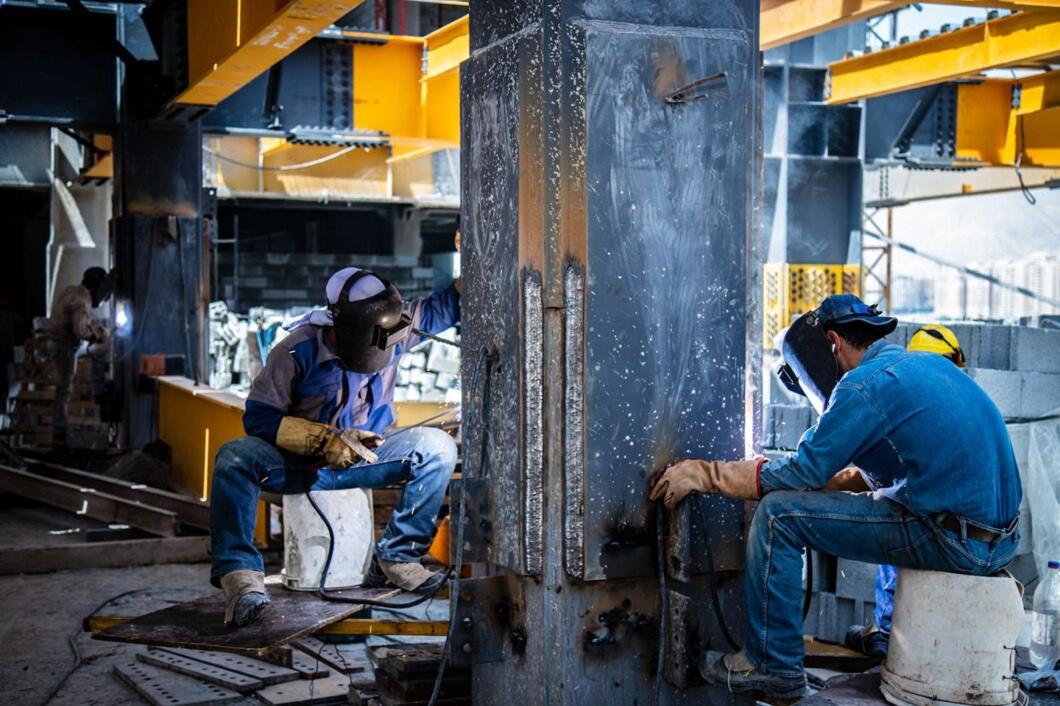
Industrial sites are built to handle pressure: heavy machinery, constant traffic, wild weather, chemical exposure, and nonstop movement. But even the toughest property won’t stay strong forever unless you look after it properly. That’s where smart industrial property maintenance comes in.
It keeps your site safe, functional, and ready to take on whatever the day throws at it. Let’s walk through what matters, what usually gets ignored, and how a well-planned maintenance routine can stretch the life of your property far beyond expectations.
Why Maintenance Matters More in Australia
Australia isn’t gentle on industrial properties. We have scorching summers, sudden storms, salt-heavy coastal air, strong winds, and soils that shift and expand. Warehouses, factories, depots, and logistics sites all feel the pressure. If you don’t stay ahead of maintenance, small issues quickly turn into expensive repairs.
Cracks spread. Machinery starts vibrating. Drainage blocks. Roofs weaken. Paint peels. Concrete breaks down. And before you know it, your operations slow down. Good industrial property maintenance saves money, reduces downtime, and gives your property a real shot at long life.
Start With a Detailed Annual Inspection
You can’t fix what you don’t know. Every industrial property should go through a full inspection at least once a year. It isn’t a quick walkthrough. It’s a structured check carried out by professionals who know where problems hide. Catching issues early keeps repairs small and manageable. They look at things like:
- roof health
- pavement wear
- electrical safety
- structural integrity
- concrete condition
- load-bearing areas
- corrosion-prone spots
- drainage performance
- machinery foundations
Give Your Concrete the Care It Deserves
Concrete is everywhere on an industrial site: floors, driveways, slabs, retaining walls, and loading docks. And while it’s strong, it’s not invincible. Regular checks help you catch:
- spalling
- surface wear
- hairline cracks
- moisture damage
- corrosion of steel reinforcement
If you leave cracks unchecked, they widen, water seeps in, and structural strength drops. For properties near the coast, the risk is even higher because salt accelerates corrosion. Quick repairs, sealing, or resurfacing go a long way in extending the property’s life.
Don’t Ignore Roof Maintenance
A failing roof can bring an entire operation to a standstill. One leak can damage stock, machinery, and electrical systems. Fixing roof issues early prevents costly water damage and keeps your property weather-ready. Roof checks should include:
- weak screws
- rusted sheets
- poor drainage
- clogged gutters
- damaged flashings
- areas sagging under weight
Keep Drainage & Stormwater Flowing Smoothly
Industrial sites see a lot of runoff. If drains clog, water collects and starts weakening pavements, causing cracks, sinkholes, and erosion. Maintenance teams look for:
- blocked stormwater pits
- poor slope direction
- sediment buildup
- broken drains
- pooling water
Australia gets hit with heavy downpours from time to time, so proper drainage keeps your site stable, safe, and functional.
Maintain Pavements & Heavy-Use Areas
Forklifts, trucks, and machinery put huge pressure on pavements. Over time, you’ll see:
- potholes
- joint failure
- subsidence
- worn surfaces
- crumbling edges
A good industrial property maintenance plan includes regular patching, sealing, resurfacing, and levelling. Smooth pavements mean fewer accidents and longer equipment life.
Take Corrosion Seriously
Australian industrial sites, especially those near the coastline, deal with harsh corrosion. Salt air, humidity, chemicals, and metal exposure speed up the process. Corrosion affects:
- pipelines
- metal roofs
- steel frames
- storage tanks
- structural fixings
Maintenance involves cleaning, repainting, coating, and replacing damaged areas. A little anti-corrosion work today prevents massive structural failures tomorrow.
Electrical & Lighting Checks Are Non-Negotiable
Industrial buildings run on power. Lighting, equipment, machinery, security systems, HVAC — everything depends on electrical health. Good lighting improves safety. Healthy wiring prevents fire risks. Both are essential for smooth operations. Maintenance includes:
- testing circuits
- upgrading old wiring
- replacing worn panels
- checking switchboards
- inspecting safety systems
- updating lighting to energy-efficient options
Prioritise Safety Systems
Industrial properties are high-risk zones. Equipment moves fast. Vehicles operate in tight spaces. Workers handle heavy loads. Keeping safety systems updated isn’t just good practice; it’s a legal requirement. Maintenance should always include:
- safety signage
- security cameras
- fire system testing
- emergency lighting
- bollards and barriers
- smoke detector checks
- access control systems
Landscaping Matters More Than You Think
Industrial sites aren’t known for pretty gardens, but landscaping still plays a big role. Overgrown trees can damage roofs. Roots can break pathways. Leaves clog drains. Unmaintained land encourages pests. Simple maintenance goes a long way:
- trimming trees
- managing erosion
- clearing vegetation
- improving site layout
- stopping weed growth
Good landscaping protects your property’s structure and reduces repair costs.
Keep a Maintenance Log & Schedule
A property stays strong when maintenance becomes a habit, not a reaction. Keep a log of everything: inspections, repairs, and upgrades. Many Australian industrial managers partner with facility maintenance teams to keep everything on track. A schedule helps you:
- extend asset life
- plan your budget
- predict future repairs
- avoid emergency fixes
- meet compliance requirements
Bring Professionals Onboard When Needed
DIY is fine for small fixes, but industrial properties need experts for the big stuff. Engineers, civil maintenance contractors, drainage specialists, electricians, and structural professionals all play a part. Trying to cut corners often leads to bigger, more expensive repairs later.
A trusted maintenance partner like Civilcraft understands Australian landscapes, industrial load requirements, coastal challenges, and compliance rules — which makes a huge difference in long-term property health.
Also Read:- Why Businesses Should Construct Civil Spaces With a Sustainability Mindset
Final Thoughts
Industrial properties last for decades when they’re cared for properly. Routine inspections, concrete repairs, drainage checks, pavement maintenance, corrosion control, and electrical testing all work together to keep your site safe and efficient.
In Australia’s tough climate, staying proactive isn’t optional; it’s the only way to protect your investment and avoid unnecessary downtime. So choose industrial property maintenance for a long-lasting infrastructure.
FAQs
Q:- How often should industrial properties be inspected?
Ans:- At least once a year, but high-traffic or coastal sites may need more frequent checks.
Q:- Why does Australian weather affect industrial maintenance?
Ans:- Heat, humidity, storms, and salt air speed up wear and corrosion, which makes routine maintenance essential.
Q:- What’s the biggest maintenance issue industrial sites face?
Ans:- Concrete deterioration and drainage problems are among the top concerns due to heavy loads and weather exposure.
Q:- Can regular maintenance reduce long-term costs?
Ans:- Absolutely. Preventive care is far cheaper than emergency repairs or full replacements.
Q:- Should maintenance be handled in-house or by professionals?
Ans:- Qualified experts should always do both work, but major repairs and structural tasks.