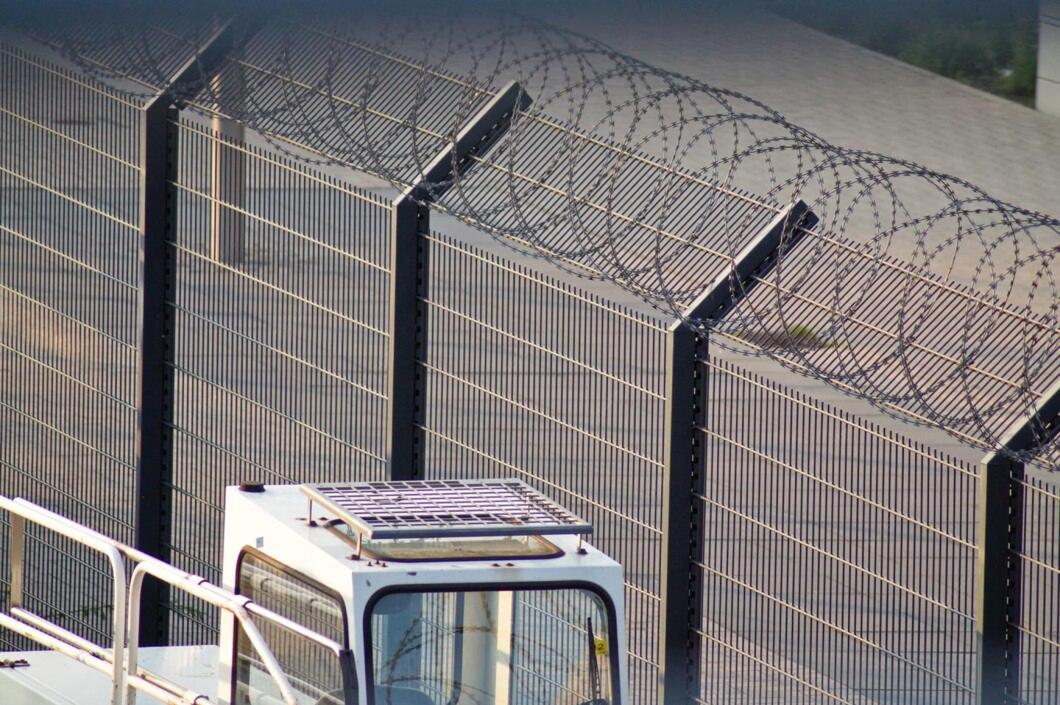
If you run a business in Australia, security is not optional. It’s not just about locking doors at night or adding a camera above the entrance. The first and most visible line of defence is what surrounds your property. That’s where security fencing in Australia comes into the picture.
From warehouses and factories to retail outlets, offices, schools, and construction sites, businesses across Australia are investing in proper fencing for one simple reason. It works. Let’s see why it matters so much and why skipping it can cost you more than you think.
Top 10 Reasons for Having Security Fencing in Australia
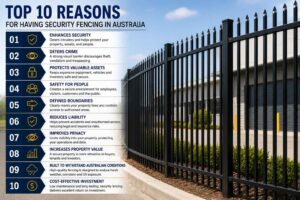
Security fences in Australia are not only a need, but they are also a preventive measure against anything crucial. Let’s have a look at the top 10 reasons for having security fencing in Australia:
#1 Security Starts at the Boundary, Not the Door
- Most break-ins don’t start with smashed windows. They start with easy access. An unfenced or poorly fenced property sends a clear signal: this place is easy to enter. A solid security fence does the opposite.
- It creates a physical and psychological barrier before someone even reaches your building. What this really means is fewer attempts, fewer incidents, and fewer headaches for business owners.
#2 Rising Theft and Trespassing Risks
Australia has seen steady concerns around property crime, especially in industrial zones, retail areas, and construction sites. Businesses store equipment, stock, tools, vehicles, and data, all of which are attractive targets. Security fencing helps by:
- Defining clear boundaries
- Restricting unauthorised entry
- Making opportunistic theft much harder
Most intruders go for the easiest option. A well-designed fence encourages them to move on.
#3 Protecting Assets Beyond the Building
- Think beyond what’s inside your walls. Outdoor machinery, loading docks, vehicles, waste areas, and storage yards are often the most vulnerable parts of a site.
- These areas are usually poorly lit and harder to monitor without a physical barrier. With proper security fencing in Australia, businesses protect everything on the premises, not just what’s locked indoors.
#4 A Visible Deterrent That Actually Works
- Here’s something many business owners underestimate—visibility matters. A tall steel fence, anti-climb mesh, or palisade fencing doesn’t just block access. It sends a message. This property is monitored, protected, and not worth the risk.
- That visible deterrent alone can reduce incidents before they happen. Pair fencing with lighting or CCTV, and you multiply its effectiveness.
#5 Compliance and Workplace Safety
Security fencing isn’t only about crime. It’s also about safety and compliance. Many Australian businesses are required to:
- Control public access
- Secure hazardous areas
- Protect employees and visitors
- Prevent accidental entry into work zones
Construction sites, factories, and logistics yards especially rely on fencing to meet safety regulations and reduce liability risks. When boundaries are clear, accidents drop. And that matters just as much as preventing theft.
#6 Different Businesses Need Different Fencing
Not all fences serve the same purpose. The best security fencing solution by Civilcraft depends on your industry, location, and risk level. Common options across Australia include:
- Chain wire fencing for large industrial areas
- Steel palisade fencing for high-security sites
- Anti-climb mesh fencing for warehouses and schools
- Decorative security fencing for offices and retail spaces
The goal is always the same: Strong protection without disrupting daily operations.
#7 Long-Term Cost Savings
At first glance, security fencing can feel like a high upfront cost. But here’s the flip side. Businesses without fencing often deal with:
- Higher insurance premiums
- Repeated theft or vandalism
- Property damage and downtime
- Ongoing repair and replacement costs
One solid fencing installation can prevent years of losses. Over time, it usually pays for itself. Insurance providers also tend to look favourably on properties with proper perimeter security, which can help lower premiums.
#8 Enhancing Professional Image
- This part often gets overlooked. A well-installed security fence makes your business look organised, professional, and serious about safety. Clients, partners, and employees feel more confident when a site looks secure and well-maintained.
- On the other hand, an open, unsecured property can feel chaotic or unsafe, even if nothing has gone wrong yet. First impressions matter. Fencing is part of that visual language.
#9 Integration With Modern Security Systems
Security fencing today is not just metal and bolts. It works best when combined with modern systems. Businesses across Australia often integrate fencing with:
- Alarm systems
- CCTV cameras
- Motion sensors
- Access-controlled gates
This layered approach creates a complete security setup. Fencing slows intruders down, while technology detects and records activity. That combination is hard to beat.
#10 Peace of Mind for Business Owners
- Running a business already comes with enough stress. Knowing your property is properly secured gives you one less thing to worry about.
- Whether it’s overnight, during holidays, or when staff are off-site, a secure perimeter lets you focus on growth instead of damage control. That peace of mind has real value.
Also Read:- Why Businesses Choose Road Sweepers for Hire for Clean Worksites in Australia
Final Thoughts
Security threats aren’t going away. If anything, businesses are becoming more exposed as assets grow and sites expand. Security fencing in Australia is no longer just a nice-to-have feature. It’s a core part of responsible business management.
Strong boundaries protect assets, people, reputation, and operations. And once it’s in place, it quietly does its job every single day.
FAQs
Q:- What are the security fencing compliance requirements in Australia?
Ans:- Security fencing in Australia must comply with relevant Australian Standards, local council regulations, and site-specific safety requirements. Compliance depends on the fence’s purpose, location, height, materials, and whether it is used for commercial, industrial, or construction sites. Working with an experienced contractor like Civilcraft helps ensure your security fencing is designed, installed, and maintained to meet Australian compliance requirements while providing reliable site protection.
Q:- What type of security fencing is best for businesses in Australia?
Ans:- It depends on your site. High-risk areas often use steel palisade or anti-climb mesh, while lower-risk sites may use chain wire or decorative security fencing.
Q:- Is security fencing mandatory for Australian businesses?
Ans:- Not always, but many industries require fencing for safety, compliance, and risk management, especially construction and industrial sites.
Q:- Does security fencing reduce insurance costs?
Ans:- In many cases, yes. Insurers often view fenced properties as lower risk, which can help reduce premiums.
Q:- Can security fencing be customised for business needs?
Ans:- Absolutely. Height, materials, gates, and access points can all be tailored to suit your operations.
Q:- How long does commercial security fencing last?
Ans:- Quality fencing installed correctly can last decades with minimal maintenance, especially steel and galvanised options.