
Drilling into concrete is necessary for many home and business building projects. Whether installing shelves, anchors, or running electrical conduits, you must know how to drill into concrete safely and skillfully. But concrete isn’t like wood or plaster—it’s solid and lasts a long time, and it has small pieces that can damage tools if they aren’t treated properly.
This article tells you everything you need to know to safely drill into concrete slabs and walls. It even tells you how to choose the right tools and techniques. These tips will help you finish the job faster, safer, and better.
Why Drilling into Concrete Requires Precision
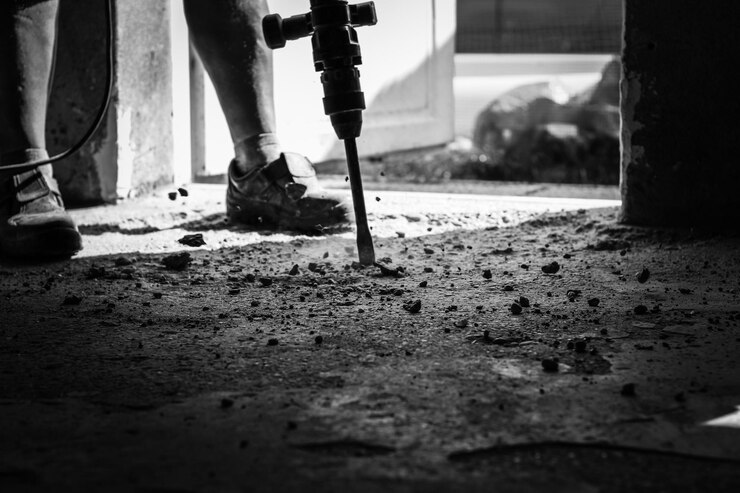
To make concrete, cement, sand, other materials (like gravel or crushed stone), and water are mixed in specific proportions. Because of this mix, concrete is very strong and lasts a long time, but it’s also hard to get through.
Drilling into it can break tools, make inaccurate holes, or even crack the structure if you don’t have the right tools. Fixing cracks in concrete is very important because the building needs to stay strong. Hence, it is important to know how to drill into concrete.
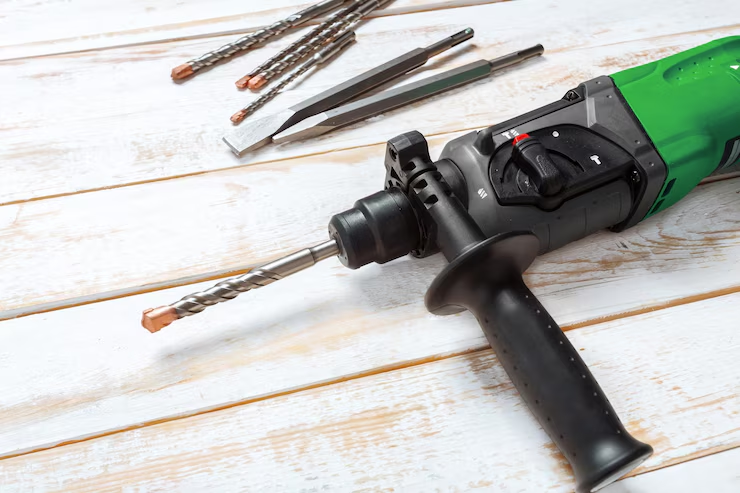
Before getting started, gather the right equipment. Here’s what you’ll need:
1. Hammer Drill or Rotary Hammer
- A standard drill won’t work. Use a hammer drill for minor work or a rotary hammer for deeper or more frequent drilling. Hammer drills provide both rotation and percussive force, which makes it easier to break through the material.
2. Masonry Drill Bits
- These are made to grind through concrete and have carbide tips. Make sure the bit is the right size for the anchor or bolt you want to put in.
3. Drill Stop or Masking Tape
- It helps you drill to a certain depth so you don’t go too deep.
4. Vacuum or Dust Extractor
- Drilling into concrete makes a lot of dust. A vacuum or dust extractor maintains the area clean and safe.
5. Personal Protective Equipment (PPE)
- Dust mask or respirator
- Safety goggles
- Ear protection
- Work gloves
Step-by-Step Guide: How to Drill Into Concrete with Safety

Step 1: Mark the Drill Point
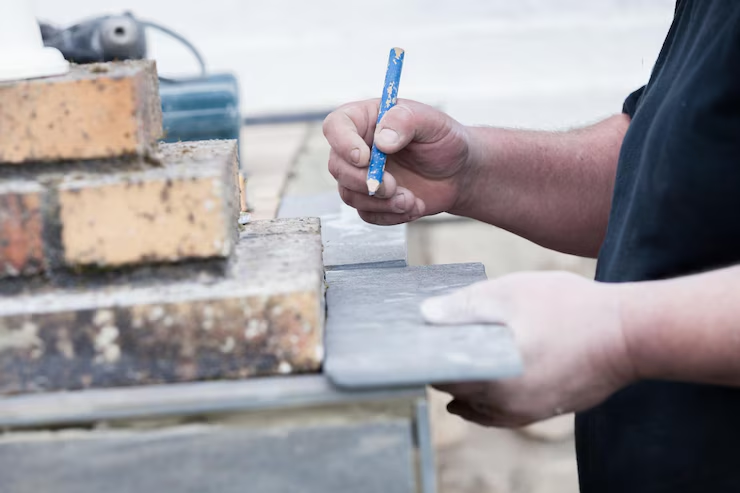
- Indicate where you want to drill using chalk or a pencil. Use a stud or wire detector to ensure there are no electrical conduits or rebar underneath.
Step 2: Secure the Surface
- Before drilling a hole in a wall, ensure the surface is clean and free of dust and paint coming off. To keep the bit from slipping, put masking tape over the place.
Step 3: Use the Right Speed and Pressure
- To hold the bit in place, start slowly. Apply strong pressure, but don’t push it—let the tool do the work.
Step 4: Clear Out the Dust
- Pull the bit out a little every few seconds to remove dirt and debris. Use a vacuum or air blower to remove dust and make seeing things easier.
Step 5: Insert the Anchor
- After drilling the hole, clean it and put in the right anchor or fastener. Now, you can fasten shelves, brackets, fittings, or supports.
Common Mistakes to Avoid While Drilling Concrete
- Using the Wrong Drill Type: A standard drill won’t be effective; always opt for a hammer or rotary hammer drill.
- Skipping Safety Gear: Concrete dust is harmful. Always wear a PPE (personal protective equipment) kit.
- Drilling Too Fast: High speed without the right pressure can wear out the bit quickly or crack the concrete.
- Ignoring Reinforcement: Rebar and mesh can be damaged—or damage your tools—if not detected first.
Drilling Into Different Types of Concrete in Australia
How to drill into concrete has different answers for different things. Let’s discuss this in detail.
- Concrete Walls: Usually reinforced with rebar. Go slowly, and be prepared to switch bits if you hit metal.
- Concrete Slabs: Ideal for installing supports or ground-level structures. Use core bits for holes larger than 1/2 inch.
- Precast Concrete: Softer than poured-in-place concrete but can contain pre-tensioned cables. Be cautious!
- Aged or Cracked Concrete: If you need to fix cracks in concrete, don’t drill directly into the damaged region. It could make the crack worse or weaken the structure around it. Before moving on, you should reinforce.
Safety Tips for Concrete Drilling
- Check for Hidden Hazards: Pipes, wires, and rebar can be dangerous and must be avoided.
- Keep the Area Ventilated: Concrete dust contains silica, which is hazardous when inhaled.
- Secure Your Drill Bit: Ensure the bit is tightened properly to prevent wobbling.
- Take Breaks: Prolonged vibration can affect your hands and wrists.
Why Choose Professional Help?
Many homeowners try to drill through concrete independently, but bigger projects or commercial work need accuracy and skill. This is where Civilcraft, one of the most trusted civil contractors in Sydney, shines apart.
We have the expertise and tools to ensure that drilling is safe and efficient for simple and complicated structural needs. We provide solutions that meet the highest industry standards, from anchoring machines to handling structural repairs that involve fixing cracks in concrete.
Environmental Concerns & Clean-Up
Concrete drilling generates a significant amount of fine dust, which isn’t just messy—it’s hazardous. Here’s how to handle it:
- Use drills with dust extraction systems.
- Wet drilling is another method to reduce airborne dust.
- Always clean the workspace immediately after drilling to prevent respiratory issues.
Also Read:- What Is Concrete Cancer? Causes, Signs, and Repair Options
Conclusion
Understanding how to drill into concrete is valuable in construction, renovation, and repair work. You can independently achieve professional results if you choose the correct tools, prepare well, and work carefully.
But if accuracy, depth, or load-bearing capacity are very important, hiring experienced professionals like Civilcraft will provide you peace of mind. Expert civil contractors have the tools, training, and safety knowledge to do the job right and quickly regarding structural elements, commercial buildings, or concrete repair cracks.
If your project involves concrete repairs or heavy structural support, contact Civilcraft, one of the leading civil contractors in Sydney, for accurate, safe, and long-lasting results.
FAQs
Q. Is it possible to use a standard drill on concrete?
Ans. No. Because concrete is so dense, you need a hammer drill or rotary hammer to break it apart. A standard drill won’t have enough force to make an impact.
Q. How do I know if I hit rebar while drilling?
Ans. You might feel sudden resistance or hear a grinding sound that rings like metal. Stop immediately and think about moving the hole or using a metal drill bit.
Q. How deep can I drill into concrete?
Ans. It depends on the bit and what you’re using it for. One to two inches is a standard size for home projects. Deeper holes may be needed for structural purposes.
Q. What kind of anchor should I use after drilling?
Ans:- Use concrete sleeves or masonry anchors. Pick based on the weight the anchor needs to hold and the thickness of the wall.
Q. Who should I call if I need concrete work done in Sydney?
Ans:- If you want accurate, safe, and long-lasting results, call Civilcraft, one of the best contractors in Sydney.