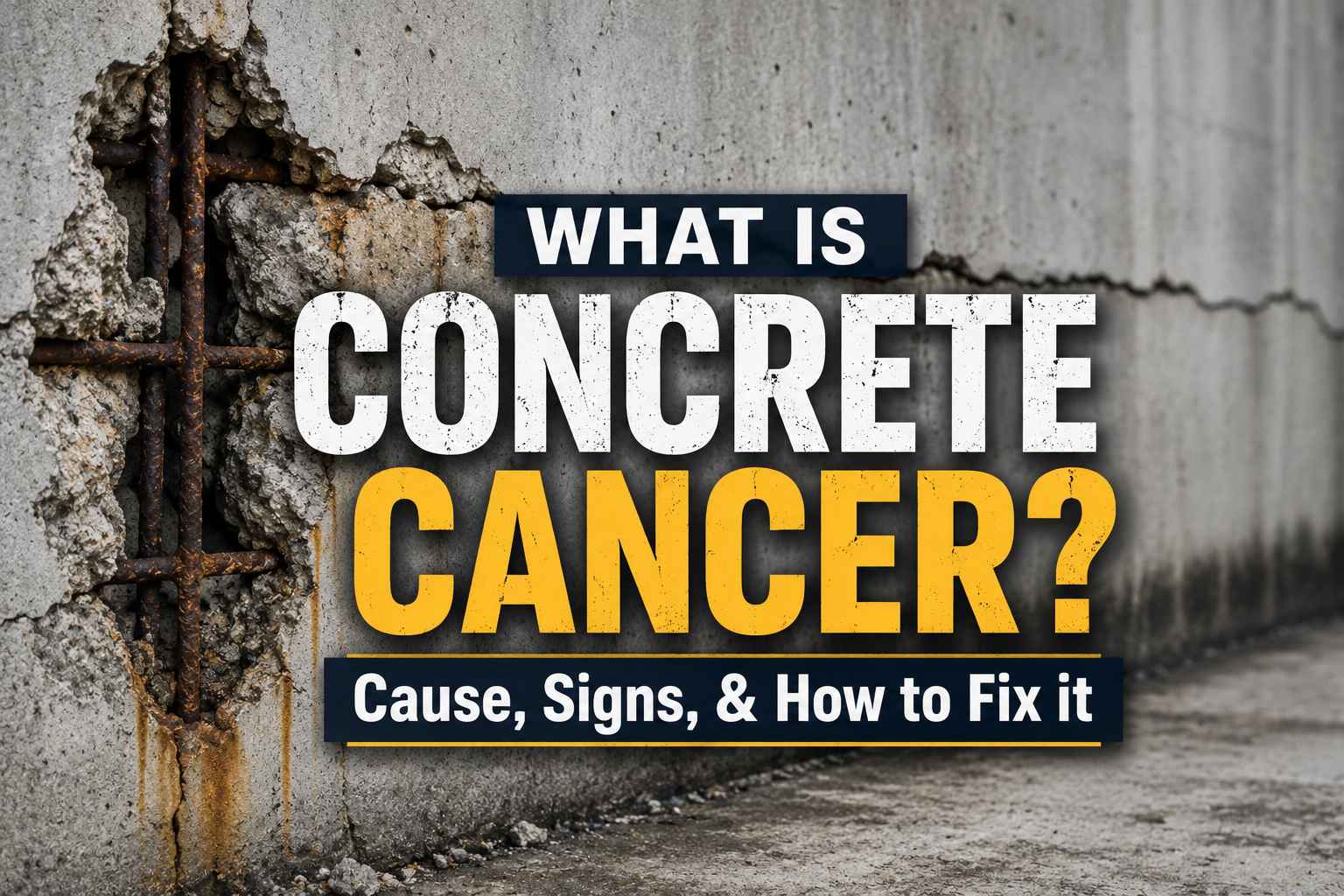
Concrete is one of Australia’s most widely used and trusted construction materials. From high-rise apartments in Sydney to coastal homes in Queensland and commercial structures in Melbourne, concrete provides the strength and stability that buildings rely on.
But over time, even this tough material can begin to deteriorate. One of the most serious issues it can develop is concrete cancer. If left untreated, this condition can cause major structural damage. Here, Australia’s leading concrete repair experts at Civilcraft explain what is concrete cancer, why it happens, how to spot it early, and the best repair solutions available.
What Is Concrete Cancer?
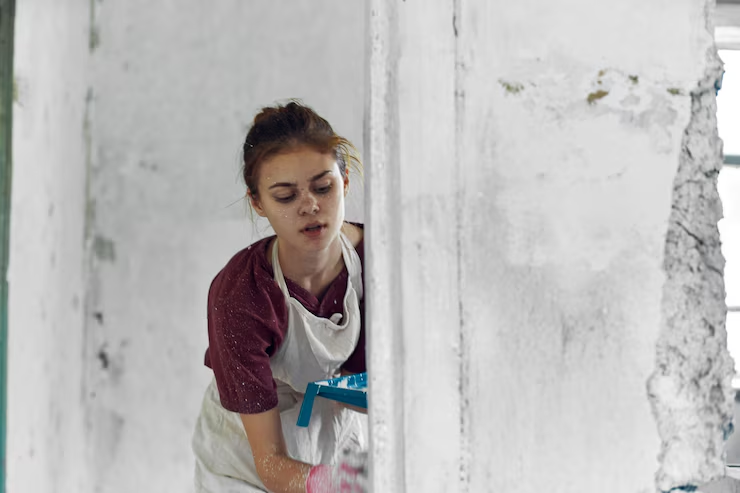
Concrete cancer is caused when steel reinforcement inside concrete begins to corrode, causing the surrounding concrete to crack, break away, or fall apart. This corrosion typically causes the steel to expand, forcing the concrete to fracture, crack, and weaken.
The damage doesn’t just affect a structure’s appearance; it can also lead to serious safety issues and high repair costs.
Common Causes of Concrete Cancer in Daily Life
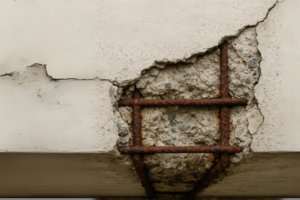
Several factors can contribute to the onset of concrete cancer. Here are the most common causes seen across Australian residential and commercial buildings:-
1. Salt Exposure
- In coastal areas like Brisbane, the Gold Coast, or Perth, buildings are regularly exposed to salt-laden air. Salt accelerates the corrosion of the steel reinforcement inside the concrete.
2. Poor Waterproofing
- If water seeps into the concrete through cracks or joints, it can reach the steel reinforcement, starting the rusting process. Buildings with inadequate membranes or drainage are especially at risk.
3. Construction Defects
- Poor construction practices—like insufficient concrete coverage over steel, low-quality concrete mixes, or improper placement of steel bars—can reduce the concrete’s resistance to environmental stress.
4. Carbonation
- Over time, carbon dioxide from the air penetrates the concrete and reacts with calcium hydroxide. This lowers the concrete’s pH level and makes the embedded steel more vulnerable to corrosion.
5. Age of the Building
Older buildings are more likely to develop concrete cancer due to long-term exposure to moisture, pollutants, and physical stressors.
Warning Signs of Concrete Cancer in Daily Life
If you know what is concrete cancer then you must know its signs. Catching concrete cancer early can help save on expensive structural repairs.
Here are The Key Warning Signs to Look Out for:
- Cracking concrete, especially near windows, balconies, or edges
- Bubbling or flaking of concrete (also called concrete spalling)
- Rust stains leaching out of the concrete surface
- Exposed steel reinforcement (rebar)
- Chunks of concrete falling away
If you notice any of these issues—particularly on balconies, structural beams, or parking garages—it’s important to act quickly.
Who to Call? Industry Leaders in Australia in 2026
Concrete cancer repairs should never be DIY. They require proper inspection, assessment, and repair by qualified professionals. Civilcraft is one of the most trusted civil contractors Sydney. We have decades of experience in concrete repair and façade restoration.
We have certified contractors and engineers across Australia who follow best practices for detecting and repairing concrete cancer. Our team offers comprehensive remedial solutions, including concrete cancer treatment, façade restoration, and protective coating systems.
Prevention: How to Avoid Concrete Cancer
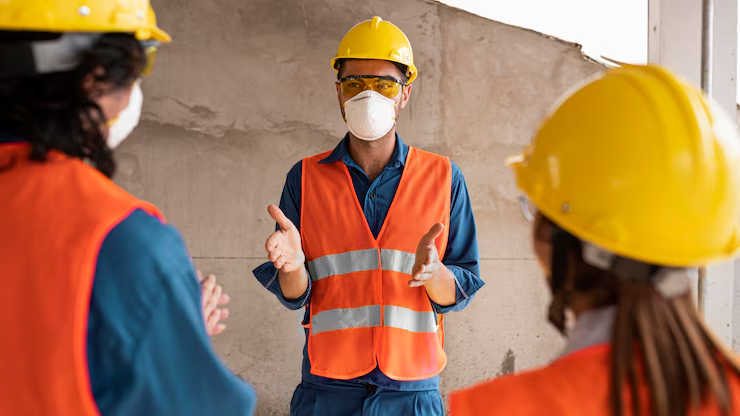
While some causes of concrete cancer are natural over time, good maintenance and smart building practices can reduce the risk significantly. Here’s what can help:
- Maintain proper drainage systems to avoid water pooling.
- Apply protective coatings to coastal or marine-exposed structures.
- Engage professionals early at the first signs of cracking or spalling.
- Use quality waterproof membranes on roofs, balconies, and decks.
- Have routine inspections every few years, especially for buildings older than 15–20.
Conclusion: Don’t Ignore the Signs
Concrete cancer is more than just a cosmetic issue. Left untreated, it can compromise the safety and stability of your building and cost thousands to fix. Whether you’re a homeowner or commercial property investor in Australia, knowing the signs and taking action quickly is essential.
Even after knowing what is concrete cancer, if you suspect your property has concrete cancer, consult an experienced specialist without delay. It could save you money and stress and, most importantly, ensure the safety of everyone in and around the building.
FAQs
Q:- Is concrete cancer covered by insurance in Australia?
Ans:- It depends on the policy. Most building insurance plans don’t cover concrete cancer unless a covered event causes it. It’s best to check with your insurer directly.
Q:- Can concrete cancer be completely cured?
Ans:- Yes, if caught early and properly treated by experts. However, the longer it’s left untreated, the more difficult and expensive it becomes.
Q:- How long does a concrete cancer repair take?
Ans:- Depending on the size and location of the damage, repairs can take a few days to several weeks.
Q:- Is it safe to live in a building with concrete cancer?
Ans:- It depends on the severity. Minor damage is often safe, but advanced concrete cancer can pose a risk. An engineer should assess it immediately.
Q:- How much does concrete cancer repair cost in Australia?
Ans:- Costs vary widely based on the extent and method of repair. Minor patch jobs may cost a few thousand dollars, while major structural repairs can run into tens of thousands.