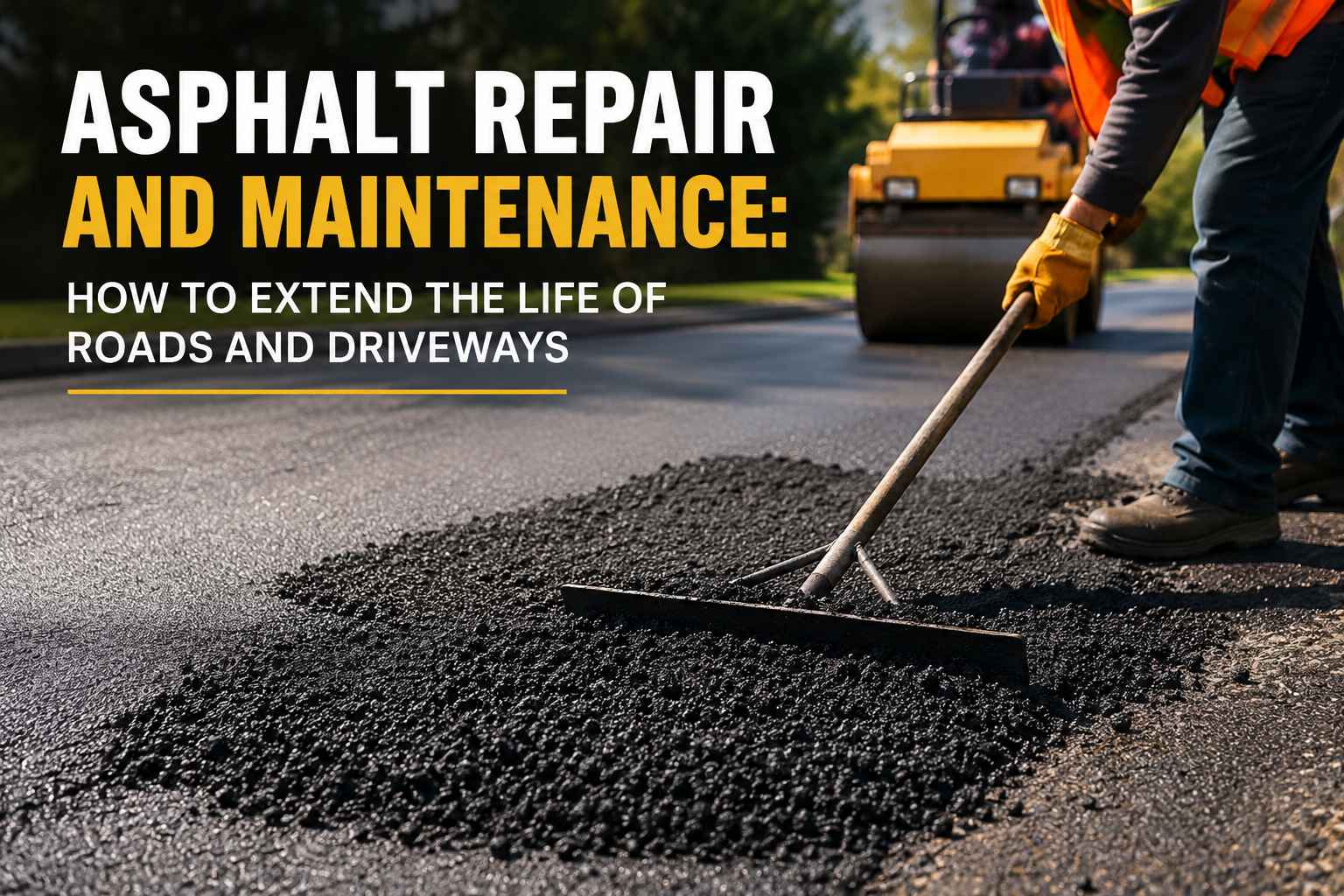
If you’ve ever pulled into your driveway or cruised down a local road and felt that dreaded thump-thump of a pothole, you know exactly why we’re here today. In Australia, our roads take a proper beating.
Between the scorching summer sun that could fry an egg on the pavement and the sudden torrential downpours that turn gutters into rivers, our asphalt goes through a lot. But with the right approach to asphalt repair and maintenance, you can keep your surfaces looking slick and lasting decades longer than expected.
The Aussie Climate vs. Your Pavement

Australia’s UV levels are some of the highest in the world. For asphalt, this is like being stuck in a slow-motion oven. The bitumen begins to oxidise and lose its flexibility.
- When it gets brittle, it cracks. And once you have cracks, you have an open invitation for water to move in and start making a mess.
- That’s where asphalt surface repair comes into play. It’s not just about making things look pretty; it’s about sealing the “skin” of your road to keep the moisture out of the base layers.
Think of it like putting sunscreen on your driveway, preventative care saves you a massive headache down the track.
What Causes Potholes in Asphalt Roads?
It’s the question every driver asks while checking their wheel alignment. Potholes aren’t just bad luck; they’re the result of a specific cycle. It usually starts with a small crack. Water seeps through that crack into the soil underneath the sub-base.
In many parts of Australia, especially during our wild weather shifts, the water weakens the soil. When heavy cars or trucks drive over that weak spot, the asphalt flexes too much and eventually collapses. Presto—you’ve got a pothole.
- Pro Tip: If you see “alligator cracking” (cracks that look like the scales on a crocodile’s back), that’s a sign the structure is failing. Don’t wait. Professional pavement maintenance services can often patch these areas before they turn into full-blown craters.
Can Damaged Asphalt Be Repaired Without Replacement?
Absolutely. You don’t always need to rip up the whole lot and start from scratch. In fact, most asphalt repair and maintenance strategies are designed to avoid that “nuclear option”.
- Techniques like crack sealing, skin patching, and infrared heat restoration allow experts to fix specific sections.
- Civilcraft specialise in this kind of precision work. We understand that for most Aussie businesses and homeowners, a full replacement is a massive disruption and a huge expense.
- By using high-quality pavement maintenance, you can often restore the structural integrity of a road by addressing only the damaged top layers, effectively hitting the reset button on its life.
How Often Should Asphalt Be Maintained?
If you want your driveway or car park to go the distance, you should be looking at a professional inspection every 1 to 2 years.
A fresh coat of sealcoat every 3 to 5 years is the gold standard in Australia to combat UV damage. If you stay on top of the small cracks as they appear, you might go 20 or 30 years before you ever need to think about a full repair.
Choosing the Right Partner: Civilcraft
- When it comes to civil infrastructure and pavement, you want someone who knows the local terrain. Civilcraft has built a reputation for delivering robust solutions across the board.
- Whether it’s a minor asphalt surface repair or a large-scale commercial project, having a team that understands the technical side—like the specific bitumen grades required for the Australian heat—is the difference between a repair that lasts a month and one that lasts a decade.
What is the Cost of Asphalt Repair in Australia?
- Costs vary wildly depending on your location and the extent of the damage. For basic crack sealing, you might be looking at a few hundred dollars. For a standard residential driveway “cut and fill” repair, prices often range from $80 to $150 per square metre.
- However, the real “cost” is what happens if you don’t do it. A $500 repair today could easily become a $10,000 replacement in three years if water gets into the base.
Also Read:- Concrete Repair Cracks: What Causes Them and How to Prevent Further Damage
Conclusion
Ultimately, protecting your investment comes down to consistency. By prioritizing regular asphalt repair and maintenance, you aren’t just fixing eyesores; you are reinforcing the structural foundation of your property against the harsh Australian elements.
Whether you are dealing with minor cracks or looking for comprehensive pavement maintenance, partnering with experts like Civilcraft ensures the job is done with local expertise and high-quality materials. Don’t wait for a small crack to become a costly crater. Stay proactive, keep the water out, and you’ll enjoy a smooth, reliable surface for many years to come.
Signs Your Pavement Needs Urgent Attention
Don’t ignore the warning signs of failing infrastructure. If you notice deep cracks, pooling water after rain, or crumbling edges, it’s time for professional asphalt surface repair.
Addressing these issues early through dedicated maintenance prevents the sub-base from eroding, ensuring your road or driveway remains safe, durable, and visually appealing.
FAQs
Q:- How often should asphalt be maintained?
Ans:- Ideally, inspect it annually and apply a sealcoat every 3-5 years to prevent UV damage.
Q:- What causes potholes in asphalt roads?
Ans:- Water penetration through surface cracks weakens the sub-base, combined with heavy traffic pressure.
Q:- Can damaged asphalt be repaired without replacement?
Ans:- Yes! Methods like crack sealing, patching, and resurfacing can fix damage without a total overhaul.
Q:- What is the cost of asphalt repair in Australia?
Ans:- Small repairs range from $80-$150 per sqm, but prices depend on the damage severity and site access.
Q:- Why is Aussie asphalt different?
Ans:- Our asphalt needs higher UV resistance and flexibility to handle extreme temperature fluctuations without cracking.