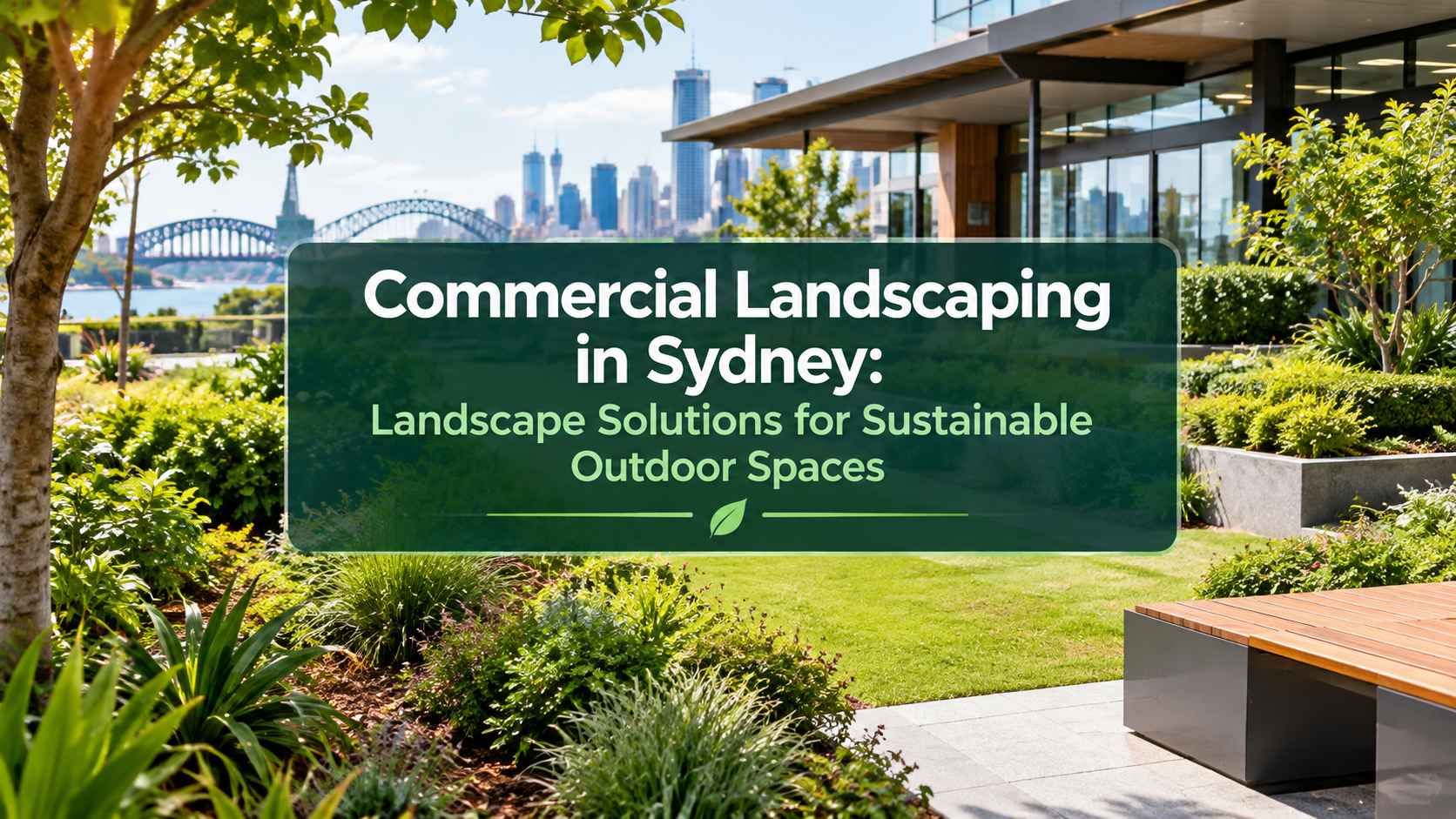
Commercial landscaping in Sydney plays an important role in creating attractive, functional, and environmentally responsible outdoor environments. From corporate offices and retail centres to commercial buildings, industrial facilities, and hospitality venues, well-designed landscapes can enhance a property’s appearance while supporting long-term usability and sustainability.
With the right combination of landscape design, native plants, efficient irrigation, and ongoing maintenance, businesses can create outdoor spaces that are visually appealing, practical, and better suited to Sydney’s climate.
Whether you are developing a new commercial property or upgrading an existing landscape, investing in sustainable landscaping solutions can help improve the outdoor experience for employees, customers, visitors, and tenants.
What Is Commercial Landscaping?
Commercial landscaping involves the planning, design, installation, and maintenance of outdoor spaces surrounding business and commercial properties. It combines horticulture, landscape construction, and environmental considerations to create spaces that meet a property’s functional and aesthetic requirements.
Unlike residential landscaping, commercial projects often need to accommodate higher foot traffic, accessibility requirements, business operations, and ongoing maintenance needs.
Common Commercial landscaping Services Include:
-
Landscape Design and Planning: Developing outdoor layouts that complement the building’s architecture and intended use.
-
Garden Installation: Selecting and planting trees, shrubs, ground covers, and ornamental plants.
-
Lawn Installation and Maintenance: Creating usable green spaces with suitable turf or alternative ground covers.
-
Irrigation Systems: Installing efficient watering solutions to support healthy plant growth.
-
Hard Landscaping: Incorporating pathways, retaining walls, seating areas, and other structural features.
-
Landscape Maintenance: Providing lawn care, pruning, weeding, mulching, and general garden upkeep.
A well-planned commercial landscape balances visual appeal, durability, functionality, and maintenance requirements.
Why Is Sustainable Commercial Landscaping Important in Sydney?
Sydney’s outdoor environments experience a range of conditions, including warm summers, periods of rainfall, and occasional dry spells. Commercial landscapes need to accommodate these changing conditions while remaining practical and attractive throughout the year.
Sustainable landscaping helps businesses make informed decisions about water use, plant selection, soil health, and ongoing maintenance.
1. Reduce Water Consumption
Water-efficient landscaping can help commercial properties manage irrigation requirements and reduce unnecessary water use.
Effective Strategies Include:
-
Installing drip irrigation or targeted watering systems.
-
Using mulch to help retain soil moisture.
-
Grouping plants according to their watering needs.
-
Selecting drought-tolerant plants suited to local conditions.
-
Using smart irrigation controllers where appropriate.
These measures can support plant health while making landscape maintenance more resource-efficient.
2. Choose Native and Climate-Suitable Plants
- Native Australian plants can be a valuable part of sustainable commercial landscape design. When selected for the specific site and local conditions, they can support biodiversity and may require less intensive watering once established.
- Suitable plant choices depend on factors such as sunlight, soil type, drainage, wind exposure, and available space.
- Landscape designers may consider native grasses, hardy shrubs, ground covers, and trees that suit the property’s location and intended use.
3. Improve Soil Health and Drainage
- Healthy soil provides the foundation for a resilient commercial landscape. Compacted soil, poor drainage, and insufficient organic matter can affect plant growth and increase maintenance requirements.
Sustainable Soil Management May Include:
-
Improving soil structure with suitable organic matter.
-
Applying mulch to protect the soil surface.
-
Addressing drainage issues before planting.
-
Reducing unnecessary soil disturbance.
-
Selecting plants that suit existing soil conditions.
Good soil preparation can help establish healthier plants and support long-term landscape performance.
Key Commercial Landscaping Solutions for Business Properties
Every commercial property has different landscaping requirements. The most suitable solution depends on the site’s size, building design, customer traffic, budget, and maintenance capacity.
Corporate Offices and Business Parks
Office landscaping can create welcoming entrances, attractive outdoor break areas, and pleasant surroundings for employees and visitors.
Popular Solutions Include:
-
Landscaped building entrances.
-
Shaded seating and outdoor meeting areas.
-
Low-maintenance garden beds.
-
Native planting around pathways.
-
Green spaces that complement corporate architecture.
A cohesive landscape design can help create a professional and consistent appearance across the property.
Retail Centres and Shopping Precincts
- Retail landscaping needs to consider pedestrian movement, visibility, accessibility, and customer comfort.
- Well-designed outdoor areas may include clear pathways, attractive planting, shaded seating, and greenery around entrances and car parks. Plant selection should also account for foot traffic and the need to maintain clear sightlines.
Industrial and Warehouse Properties
- Industrial landscaping often prioritises durability, safety, and straightforward maintenance.
- Practical solutions include hardy plants, erosion control, clearly defined access routes, and low-maintenance garden areas. Landscaping can also help soften the appearance of large buildings and improve the presentation of site entrances.
Hospitality and Commercial Accommodation
- Hotels, restaurants, and hospitality venues can use landscaping to create inviting outdoor settings for guests.
- Planting, outdoor seating, shaded areas, and carefully selected lighting can help establish an atmosphere that complements the venue’s design and customer experience.
How to Design a Sustainable Commercial Landscape
Creating a sustainable outdoor space requires a planned approach that considers the site’s current conditions and future needs.
1. Assess the Site:- Review soil conditions, sunlight, drainage, existing vegetation, access points, and the property’s intended use before finalising the design.
2. Select Suitable Plants:- Choose plants that suit Sydney’s local conditions, the site’s microclimate, and the property’s maintenance requirements.
3. Plan Efficient Irrigation:- Design watering systems around plant needs, seasonal conditions, and areas that receive different levels of sunlight.
4. Integrate Functional Features:- Include accessible pathways, seating, shade, and durable hardscape materials to support everyday property use.
5. Establish a Maintenance Plan:- Schedule mowing, pruning, weeding, irrigation checks, and seasonal planting to keep the landscape healthy and presentable.
The Benefits of Professional Commercial Landscaping
Professional commercial landscaping brings design, horticultural knowledge, and practical site planning together. A considered approach can help businesses create outdoor environments that support their property goals.
Key Benefits Include:-
-
Improved Property Presentation: Well-maintained greenery and organised outdoor areas can create a welcoming first impression.
-
Better use of Outdoor Space: Thoughtful layouts can make room for pathways, seating, and functional green areas.
-
More Efficient Maintenance: Appropriate plant selection and landscape planning can help manage ongoing maintenance needs.
-
Water-Conscious Design: Efficient irrigation and suitable plants can reduce avoidable water consumption.
-
Enhanced Outdoor Comfort: Trees, shade, and carefully planned seating can make outdoor areas more usable.
-
Long-term Landscape Value: Durable materials and suitable planting can help landscapes remain functional as the property evolves.
The actual benefits depend on the property’s design, site conditions, landscape management, and the solutions implemented.
How to Choose a Commercial Landscaping Company in Sydney
Choosing a commercial landscaping provider involves more than comparing initial project costs. Businesses should consider the provider’s experience, project approach, maintenance capabilities, and understanding of sustainable landscape practices.
Before Making a Decision, Consider The Following:-
-
Commercial Project Experience: Look for experience with properties similar in size and purpose to yours.
-
Landscape Design Capabilities: Assess how the proposed design addresses functionality, appearance, and site conditions.
-
Sustainable Practices: Ask about water-efficient irrigation, climate-suitable plants, soil management, and material selection.
-
Maintenance Services: Determine whether ongoing maintenance is available and what the schedule includes.
-
Project Planning: Clarify the proposed timeline, site access requirements, and how landscaping work will affect business operations.
-
Scope and Costs: Request a detailed quote outlining materials, labour, installation, and any ongoing service fees.
A clear project scope and maintenance plan can help ensure the finished landscape meets both immediate requirements and long-term property needs.
Also Read:- Concrete Repair Cracks: How to Identify the Cause and Choose the Right Repair Method
Create Sustainable Outdoor Spaces with Commercial Landscaping in Sydney
Civilcraft Commercial landscaping in Sydney offers businesses an opportunity to create outdoor spaces that combine professional presentation, everyday functionality, and sustainable design. From native planting and water-efficient irrigation to durable pathways and ongoing garden maintenance, each element contributes to the landscape’s overall performance.
By considering local conditions, selecting suitable materials and plants, and planning for long-term care, businesses can develop outdoor environments that remain attractive and practical over time.
Whether you manage an office, retail centre, industrial facility, or hospitality property, a tailored commercial landscaping strategy can help transform underutilised outdoor areas into valuable extensions of your business environment.
FAQs
Q. What does commercial landscaping include?
Ans:- Commercial landscaping includes landscape design, garden installation, planting, lawn care, irrigation, hard landscaping, and ongoing maintenance for business properties such as offices, retail centres, and industrial sites.
Q. What are the benefits of sustainable commercial landscaping in Sydney?
Ans:- Sustainable commercial landscaping can help reduce unnecessary water use, support local biodiversity, improve soil health, and create outdoor spaces suited to Sydney’s climate. Its benefits depend on plant selection, site conditions, and ongoing maintenance.
Q. Which plants are suitable for commercial landscapes in Sydney?
Ans:- Suitable plants may include Australian native trees, shrubs, grasses, and ground covers adapted to the property’s local conditions. The best choices depend on sunlight, soil, drainage, available space, and maintenance requirements.
Q. How can businesses reduce commercial landscape maintenance costs?
Ans:- Businesses can manage maintenance costs by choosing climate-suitable plants, using efficient irrigation, applying mulch, planning practical garden layouts, and scheduling preventative maintenance. The right approach depends on the property’s size and landscape design.
Q. How often should a commercial landscape be maintained?
Ans:- Maintenance frequency depends on plant types, seasonal growth, foot traffic, irrigation needs, and the property’s appearance standards. Many commercial sites benefit from scheduled inspections and regular gardening, with additional seasonal care when required.
Q. How do I choose a commercial landscaping company in Sydney?
Ans:- Look for commercial project experience, tailored design services, sustainable landscaping knowledge, transparent quotes, and reliable maintenance options. Review the proposed scope of work to ensure it meets your property’s functional and environmental requirements.