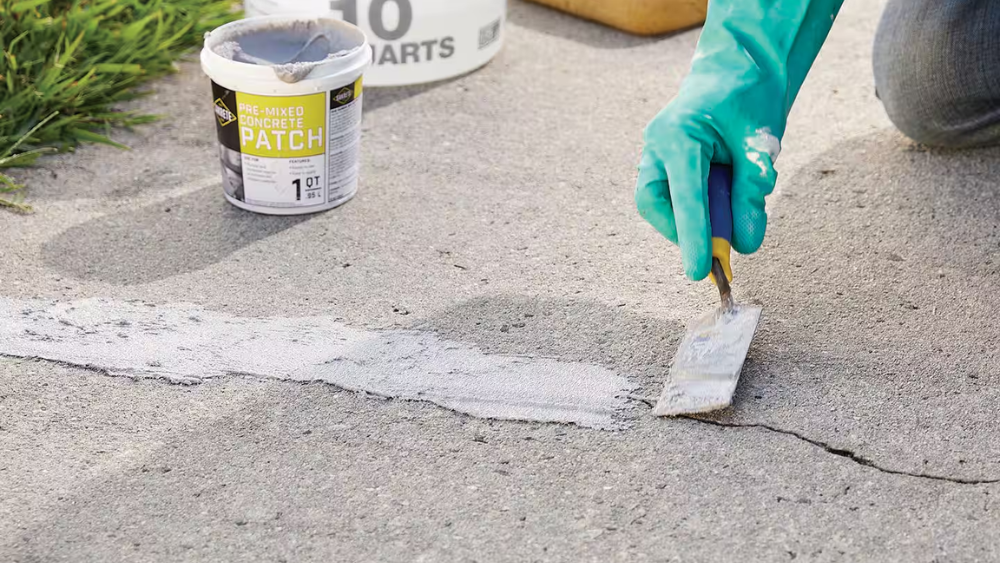
If you’ve got concrete in your driveway, patio, garage, or around your garden, chances are you’ve already met the one thing every homeowner dreads: cracks. Some start small. Some show up overnight like an unwelcome guest. And some slowly widen until you can’t ignore them.
Here’s the thing: cracked concrete isn’t just ugly. It collects water, becomes a tripping hazard, and makes the rest of your landscaping look tired. The good news is that concrete repair cracks aren’t complicated once you understand what you’re dealing with.
And in Australia, where the weather swings from scorching heat to heavy rain, knowing the right repair method actually saves you money and headaches later. Let’s break it down in a simple and sensible way.
Why Concrete Cracks in the First Place
Concrete looks strong, but temperature, moisture, soil movement, and even the way it was originally poured can all lead to cracks. The sun beats down hard in Australia, and concrete expands. At night, it cools and contracts.
Add rain, shifting soil, tree roots, or poor drainage, and cracks start showing up. Before choosing a repair method, the size and type of crack matter. Fine hairline cracks? Easy. Deep structural cracks? A different story. Now, let’s get into the smartest repair methods you can use.
Latest Techniques to Repaire Concrete Cracks in 2026
1. Concrete Crack Filler for Hairline Cracks
- If your cracks are thin enough to fit a fingernail barely, you’re dealing with surface-level damage. These are usually caused by heat or shrinkage. A liquid crack filler is perfect here. It flows into tiny spaces, bonds well, and dries fast.
- Most fillers are flexible, which is exactly what you want in hot Australian summers when the concrete keeps expanding. Just clean the area and apply the product. It’s a simple Do-It-Yourself job, no drama.
2. Epoxy Injection for Deep & Structural Cracks
- Got cracks that look like they’ve been around since the early 2000s? The ones that seem to get deeper each year? Epoxy injection works great for stabilising larger cracks and restoring the strength of the slab. Epoxy acts like a super-strong glue.
- Once it sets, the repaired area becomes almost stronger than the concrete around it. This method works well for garage floors, driveways, foundation slabs, and areas that handle heavy loads. But epoxy injection isn’t always DIY-friendly. If you’re unsure, get a professional on board.
3. Polyurethane Foam for Expanding, Moving, or Leaking Cracks
- Polyurethane foam is a hero when cracks keep changing shape, especially where water gets in after heavy rain. It expands like crazy, fills gaps, and blocks moisture.
- What this really means is the crack becomes sealed and flexible, which is something epoxy doesn’t offer. Australians dealing with outdoor patios or garden paths love this method because the foam holds up well even when the soil moves a little.
4. Concrete Resurfacing for Multiple Cracks
- If your concrete looks like a map of the Pacific Highway network, with cracks everywhere, repairing them one by one won’t cut it. That’s where resurfacing steps in.
A concrete resurfacer lets you spread a new, smooth layer over the existing slab. It hides cracks, gives you a fresh finish, and extends the life of your patio or driveway for years. This method is perfect for:
- pool surrounds
- old garden paths
- sun-exposed driveways
- outdoor entertaining areas
Plus, resurfacing is cheaper than ripping out the whole slab. And in Australian landscapes, where concrete cops a lot of weather damage, this is often the most efficient fix.
5. Routing and Sealing for Medium-Size Cracks
- Medium-width cracks need a little extra help. Routing widens the crack into a clean, U-shaped groove. Then a high-quality sealant fills the space. Why widen a crack? Because it helps the sealant bond better and stay put even when temperatures swing.
- This method is super reliable for outdoor slabs that go through wet seasons, heat spells, and heavy foot traffic. Think of it as giving the sealant a proper place to live instead of trying to shove it into a random, narrow gap.
6. Concrete Patching for Chipped or Broken Edges
Sometimes cracks lead to broken corners or chipped sections. Patch repair works nicely here. A special patch compound fills the damaged area, smooths it out, and restores the shape. Patch compounds set hard and stay durable, even with heavy use.
This option shines in areas like:
- patio corners
- garden edging
- pathway steps
- exposed edges near driveways
7. Slab Jacking or Mudjacking for Sunken Concrete
- If your concrete is sinking because the soil underneath has shifted, a common problem in Australian clay-heavy regions, no amount of crack filler will help until the slab is lifted.
- Slab jacking pumps a mix beneath the slab to raise it back to its original level. Once the concrete is stable, you fix the cracks. It’s like giving your concrete a lift without replacing it.
8. When to Repair and When to Replace
- Not all concrete can be saved. If the slab is crumbling, unstable, or breaking apart in large chunks, replacement might be smarter than endlessly patching.
- A good rule of thumb: If cracks connect like spiderwebs AND the slab moves under pressure, it’s time for a new pour. But for most everyday cracks, the methods above work ideally.
Concrete Crack Repair Products
Concrete crack repair products are specially formulated materials designed to restore damaged concrete surfaces, seal cracks, and prevent further deterioration.
- Common options include epoxy crack fillers, polyurethane sealants, concrete repair mortars, patching compounds, and injection resins.
- The best product depends on the crack’s size, location, and whether it is structural or non-structural.
- Using high-quality concrete crack repair products helps improve durability, restore structural integrity, and extend the lifespan of concrete driveways, slabs, walls, and foundations.
Also Read:- Smart Pavement Repair Solutions for Longer Lifespan
Final Thoughts
Concrete cracks aren’t the end of the world, but ignoring them definitely speeds up the damage. Fixing them early protects your landscaping, keeps your outdoor areas safer, and saves you the cost of major repairs later.
Once you understand the cause and size of the crack, choosing the right concrete repair cracks method becomes simple. And whether you DIY or get a pro involved, repaired concrete looks better, lasts longer, and handles the unpredictable Australian climate more confidently.
FAQs
Q:- What is Concrete Crack Filler?
Ans:- Concrete crack filler helps seal and repair cracks in concrete surfaces, preventing moisture entry and reducing further damage for longer-lasting repairs.
Q:- Fix Cracks in a Concrete Slab?
Ans:- Concrete slab cracks are usually repaired by cleaning the area and filling the crack with a concrete repair filler or epoxy. Larger cracks may need professional concrete repair services.
Q:- What’s the best method for small cracks in concrete?
Ans:- Hairline cracks are easiest to fix with liquid crack fillers. They flow into tight spaces and seal the surface quickly.
Q:- How do I know if a crack is structural?
Ans:-If the crack is wide, deep, or continues growing, it might be structural. Cracks that run across the entire slab need epoxy injection or professional evaluation.
Q:- Can I repair concrete cracks myself?
Ans:- Yes, small and medium cracks are easy DIY jobs. Big or deep cracks often need professional repairs, especially if the slab is sinking or unstable.
Q:- How long do concrete repair cracks last?
Ans:- With good prep and quality products, repairs can last many years. Outdoor concrete exposed to extreme heat or rain might need periodic touch-ups.
Q:- Should I repair cracks before resurfacing?
Ans:- Absolutely. Fixing cracks first ensures the resurfacing layer bonds better and lasts longer.