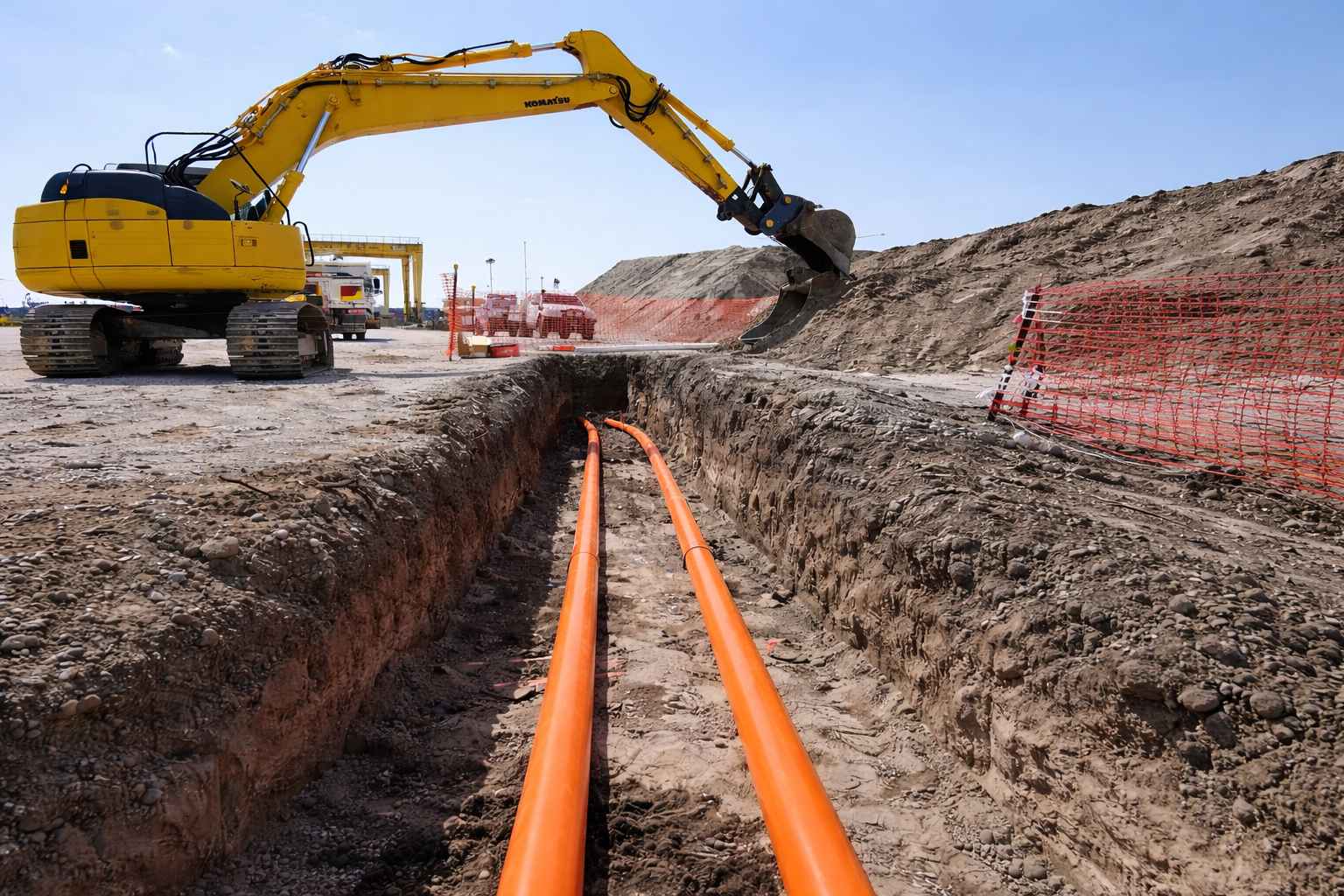
Most of us only think about water when we’re having a long shower or when the bill arrives. But beneath the streets of Sydney, there is a massive world of pipes, pumps, and treatment plants working 24/7 to make sure that when you turn that tap, something actually happens.
Sydney is growing very fast. With the population expected to hit 8 million by 2056, the city’s water infrastructure services are currently undergoing one of the biggest glow-ups in Australian history.
We’re talking about a $34 billion investment over the next decade. From the historic Malabar wastewater system to the high-tech desalination plants at Kurnell, here’s a casual look at who is doing the heavy lifting to keep Sydney hydrated.
The Big Players: Who’s Behind the Scenes?
While Sydney Water is the name you see on your bill, they don’t do it all alone. They partner with some of the biggest engineering and construction firms in Sydney and around the world to keep the system running.
This “Partnering for Success” (P4S) model splits Sydney into three regions—North, South, and West—with specialised consortia handling everything from fixing a leaky pipe to building massive new reservoirs.
- The West Region: A powerhouse team called the Better Together Joint Venture (B2GJV), which includes Fulton Hogan, Abergeldie, and Stantec, is currently tackling the massive growth in Western Sydney, including the infrastructure for the new Aerotropolis.
- The South Region: This area is managed by the Confluence Water consortium (a mix of Downer, Jacobs, and Ventia). They look after everything from the inner city down to the Illawarra.
- Specialist Crews: Companies like Killard and Veolia are the experts often called in for the high-tech stuff, like managing desalination plants or complex trunk main installations that look more like tunnel boring than simple plumbing.
Major Projects That Actually Matter to You
You might have seen some high-vis vests and big orange machines around your neighbourhood lately. Chances are, they’re working on one of these three game-changers:
1. The Upper South Creek Advanced Water Recycling Centre
- It is the “crown jewel” of Western Sydney’s growth. It’s a $1.3 billion project designed to treat wastewater so effectively that it can be reused for cooling the city, watering parks, and industrial use. It’s all about creating a “circular economy” for water, so we aren’t just relying on rain.
2. The Malabar System Investment Program
- If you live in the East or Inner West, your wastewater goes to Malabar. It’s one of the oldest and largest systems in the city. The current upgrades are focusing on preventing pipe failures and “future-proofing” the plant so the Sydney coastline stays pristine for the next 50 years.
3. Smart Meters and Leak Detection
- This is the techy side of water infrastructure services. Sydney Water is rolling out a massive digital program to find leaks before they become “geysers” in the middle of the road. Using acoustic sensors and smart meters, they can pinpoint a vibrating pipe underground that’s about to burst, saving millions of litres of water.
The Civil Backbone: How Firms Like Civilcraft Support the Network
While the massive consortia handle the multi-billion-dollar treatment plants, the local expertise of firms like Civilcraft is what keeps the “veins” of the city healthy. As a Sydney-based civil engineering firm, Civilcraft specialises in the “grey and green” infrastructure that moves water from point A to point B.
-
Stormwater and Drainage Excellence
Effective water management isn’t just about what comes out of the tap; it’s about where the rain goes. Civilcraft provides comprehensive water infrastructure services that focus on stormwater drainage.
We handle the installation and maintenance of reinforced concrete pipes and grates, the components that prevent flash flooding in Sydney’s high-density suburbs.
-
Green Stormwater Infrastructure (GSI)
One of the coolest shifts in Sydney’s infrastructure is toward “Green” solutions. Civilcraft is at the forefront of installing rain gardens, bioswales, and permeable paving.
These systems don’t just move water; they filter out heavy metals and oils before the water reaches our harbour, combining engineering with ecology to create a more resilient urban environment.
-
Supporting Growth and Compliance
For developers and local councils, Civilcraft acts as a bridge to ensure new projects meet strict Sydney Water standards. Their work in sewer and water network construction helps new developments secure those crucial Section 73 certificates, ensuring that as Sydney grows, its essential services are built to last.
Also Read:- What is Line Marking on Roads : Guide 2026
Conclusion
Sydney’s water system is a marvel of engineering. Whether it is the high-tech recycling at Upper South Creek or the essential drainage work performed by local experts like Civilcraft, these water infrastructure services ensure our city remains liveable.
By combining massive regional investments with precise local civil works, Sydney is well-positioned to stay hydrated, green, and resilient for generations to come. And Civilcraft is there to help firms and families keep up with this development.
FAQs
Q:- Who is the main provider of water infrastructure in Sydney?
Ans:- Sydney Water is the state-owned corporation responsible for the overall network, but it partners with private consortia like Confluence Water and B2GJV for construction and maintenance.
Q:- Is Sydney’s water supply “drought-proof”?
Ans:- It’s getting there! Through the Desalination Plant at Kurnell and new water recycling centres in the West, Sydney is becoming less dependent on rainfall alone.
Q:- What is a “Section 73” certificate?
Ans:- It’s a formal document from Sydney Water confirming that a new development has met all requirements for water, wastewater, and stormwater infrastructure. You need it to get your final building occupation certificate.
Q:- How can I report a leak in a public area?
Ans:- If you see a burst water main or a leak in a park, you can call Sydney Water’s 24/7 emergency line at 13 20 90.
Q:- Why is Western Sydney getting so much new water infrastructure?
Ans:- With the new Western Sydney Airport and tens of thousands of new homes being built, the “Upper South Creek” area requires entirely new networks that didn’t exist five years ago.