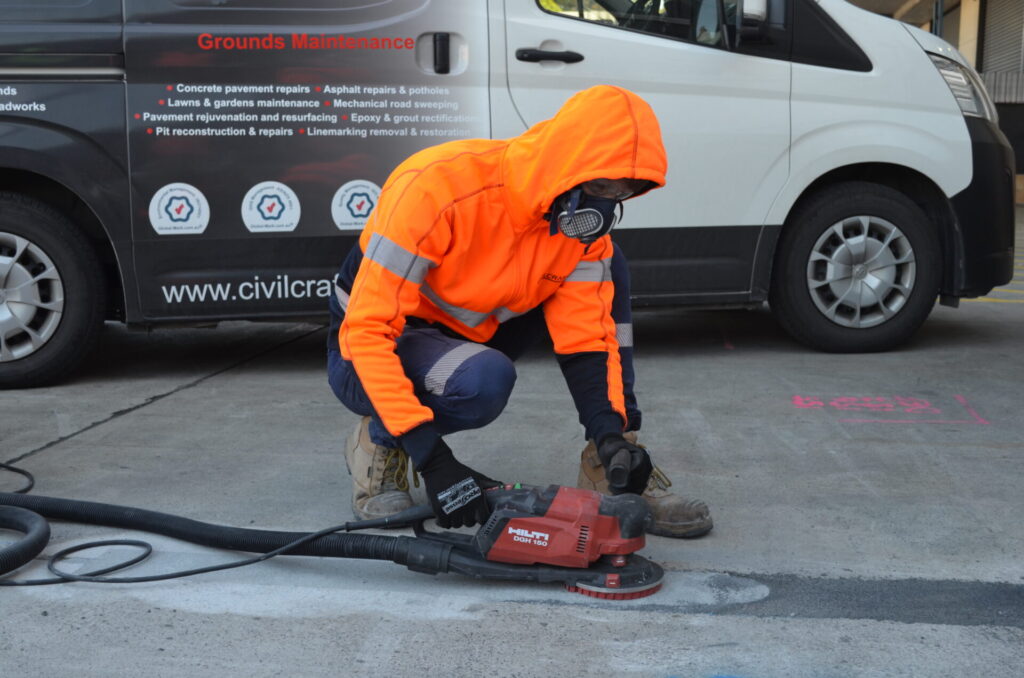
Concrete is strong, but it can break over time. Weather, load stress, chemical exposure, or just aging can cause cracks, spalling, or surface wear in even the strongest concrete structures.
The good news? You can restore strength, safety, and beauty to concrete without always having to start over if you use the right methods. Let’s look at how professionals and homeowners deal with everything from small cracks to full-scale surface restoration through concrete repair.
Understanding Why Concrete Cracks
Before making a concrete repair, it’s important to understand what went wrong. The cause tells us how to fix it. Some of the most common reasons are:
- Poor workmanship during initial placement
- Thermal expansion and contraction
- Corrosion of reinforcement steel
- Shrinkage during curing
- Heavy loads or impact
- Freeze-thaw cycles
Once you find out what’s really wrong, you can choose the best way to fix it and stop it from happening again.
1. Fixing Cracks by Sealing the Weak Points
Concrete’s most common problem is cracks. The key is to figure out if they are structural or just surface.
For Non-Structural Cracks:
You can often seal hairline or surface cracks that happen when things shrink or change temperature with:
- Epoxy injection: It is the best way to fill in small cracks (0.1–5 mm) that need to be strong. The epoxy sticks the concrete together and makes it strong again.
- Routing and sealing: The simplest method. You make the crack a little bigger, clean it, and then fill it with a sealant that can move.
- Polyurethane foam injection: Good for cracks that are leaking or moving. It grows and seals even when it’s wet.
For Structural Cracks:
If the crack threatens the strength of the load-bearing structure, a stronger fix like stitching (putting steel bars across the crack) or grouting with cement-based material is used to make it stable again.
2. Surface Repairs — Fixing Spalling, Scaling, and Erosion
If the concrete surface starts to flake or look patchy, it’s usually because the finishing wasn’t done well, the concrete froze and thawed, or the rebar underneath corroded. This is how to fix it:
- Microtoppings: For areas that don’t need a lot of work or decoration, micro-toppings (1–3 mm thick) can make old concrete look new again.
- Patching: For localised spalls, remove loose material, clean the area, apply bonding primer, and refill with a polymer-modified concrete repair mortar.
- Overlaying: Use a thin concrete overlay or resurfacing compound if the damage is spread out over a large area. It makes the top layer stronger and brings back the texture and look.
3. Deep Repairs — When Damage Runs Below the Surface
Sometimes, things get worse than they seem, especially when the steel reinforcement starts to rust. In such cases, the process is more intensive:
- Use bonding agents.
- Get rid of the broken concrete around the reinforcement.
- Recast the part with concrete or repair mortar that is very strong.
- Clean and treat the steel, which is often done with an anti-corrosive coating.
These methods not only make things stronger, but they also stop them from corroding in the future.
4. Full Surface Restoration — When It’s Beyond Patching
A full restoration may be needed if the whole concrete slab, bridge deck, or floor is broken. Some of the methods are:-
Fibre-reinforced overlays are becoming more popular in industrial and commercial projects because they are strong and don’t crack easily.
Preventive and Maintenance Measures
After you fix concrete, it’s important to keep it in good shape. With consistent care, a repaired concrete surface can easily last another 20–30 years. Preventive maintenance keeps damage from happening again:
- Make sure that slabs and foundations have the right amount of drainage.
- Check things out regularly, especially if they are high-load or exposed.
- Use sealants or waterproof coatings to keep water from getting in.
- For steel-reinforced concrete, use “corrosion inhibitors.”
Modern Innovations in Concrete Repair
Civilcraft Technology has made concrete repair faster, cleaner, and more sustainable. Some of the latest innovations include:
- Selfhealing concrete: Contains bacteria or microcapsules that seal cracks when exposed to moisture.
- Carbon fibre wrapping: It makes beams, columns, and slabs stronger without adding much weight.
- 3D printed repair mortars: These let you fix complicated structures by adding layers of material.
- Nanotechnology coatings: Make surfaces harder and more resistant to chemicals.
These methods are changing the way engineers fix up old buildings, bridges, tunnels, and other infrastructure.
Comparison Table: Common Concrete Repair Techniques in 2026
|
Method |
Type of Damage | Depth of Repair | Best Used For |
|
Epoxy Injection |
Fine Cracks |
Shallow |
Structural bonding |
|
Polyurethane Foam |
Leaking Cracks |
Variable |
Waterproofing and sealing |
|
Patching |
Surface Spalling |
Shallow |
Localised repairs |
|
Overlaying |
Scaling |
Medium |
Large surface areas |
|
Shotcrete |
Deep Damage |
Deep |
Walls, beams, tunnels |
| Self-Levelling Concrete | Uneven Floors | Medium |
Industrial and commercial floors |
Also Read:- Road Bitumen Repair: Techniques to Extend Road Lifespan in Australia
Final Thoughts
Concrete may seem like it will last forever, but it needs care like any other material. Knowing what caused the damage, choosing the best method for concrete repair, and keeping it up afterwards can make the difference between a quick fix and a long-term solution.
If you fix a small crack in your driveway or a big hole in the surface of a parking lot now, you won’t have to pay a lot of money to replace it later. The key is easy: don’t ignore the signs, act quickly, and use tried-and-true methods and materials to bring your concrete back to life.
FAQs
Q:- How do I know if my concrete needs to be fixed or replaced?
Ans:- If the damage is only on the surface, fixing it is enough. You may need to replace it if there are deep cracks, structural shifts, or major rebar corrosion.
Q:- Is it possible for me to fix concrete myself?
Ans:- Concrete repair kits make it easy to fix small cracks and patches yourself. It’s best to hire professionals if the damage is structural or deep.
Q:- How long does it take to fix concrete?
Ans:- A good repair can last anywhere from 15 to 30 years, depending on the materials used, the environment, and how well it is cared for.
Q:- What is the best material to use to fix cracks?
Ans:- People often use epoxy or polyurethane resins because they stick together well and keep moisture out.
Q:- Is it cheaper to fix or replace concrete?
Ans:- Unless the structure is very damaged, fixing it is usually cheaper and faster.