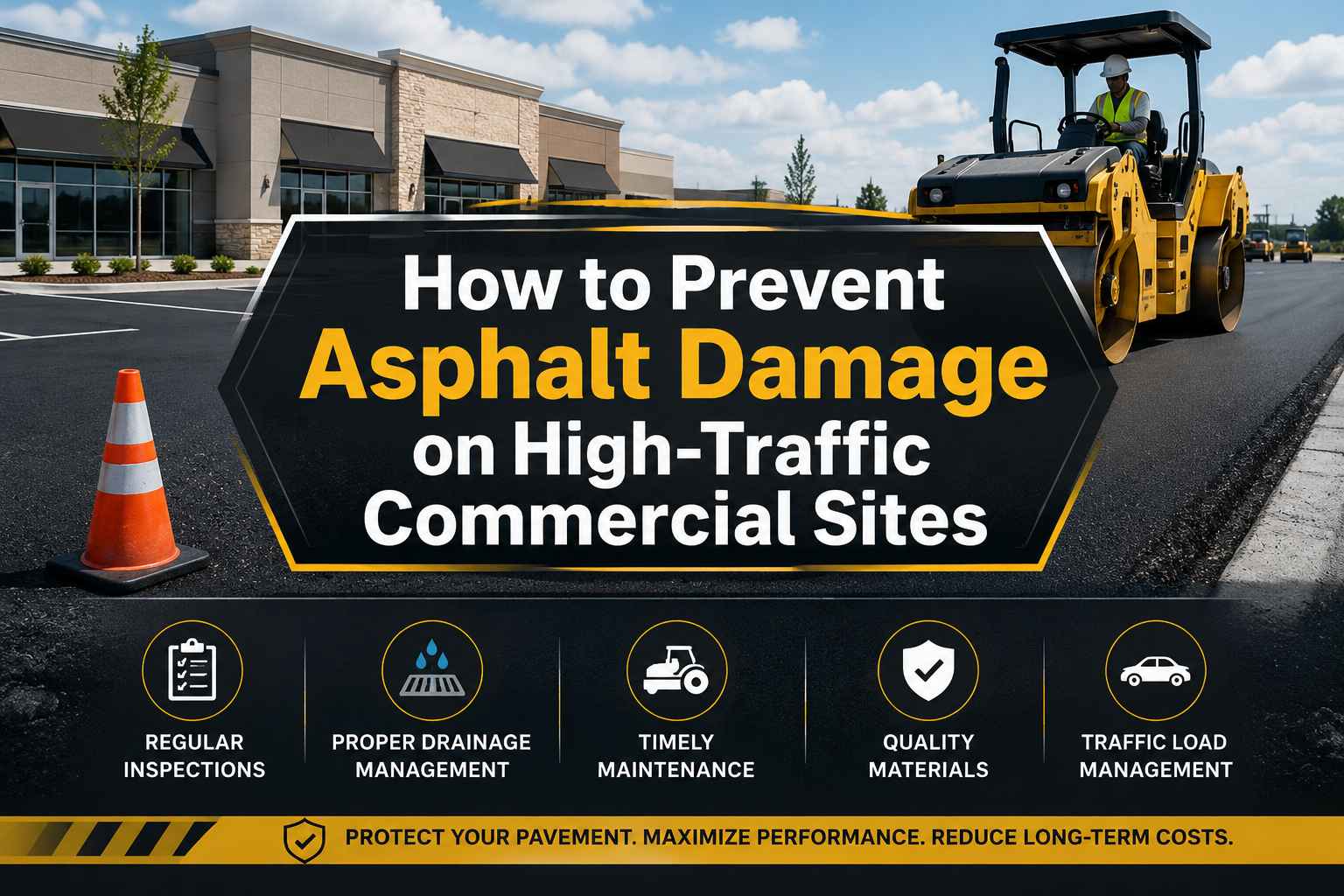
Hey there, business owners and property managers! Pull up a stump, because we need to talk about the unsung hero of your commercial site: your asphalt. It’s the first thing your clients see, the road that brings your supplies, and the stage for countless daily movements.
But let’s be honest, we often only notice it when things go south. High-traffic sites like shopping centers, bustling warehouses, massive school carparks, those iconic Sydney intersections – put their pavements through the absolute ringer.
And without proper care, that smooth black carpet can quickly turn into a rugged landscape of cracks and potholes, which isn’t exactly the ‘welcome mat’ you want to roll out, is it? That’s where asphalt maintenance steps in.
Think of it less like a chore and more like giving your pavement a little bit of TLC, ensuring it stays strong, safe, and looking sharp for years to come. Here, we’re going to spill the beans on how to keep your commercial asphalt in top-notch condition on high-traffic sites.
What’s Really Beating Up Your Asphalt?
Why does asphalt on busy sites tend to age faster than a tin of Milo left open in a Queensland summer? It’s not just bad luck. High-traffic commercial properties face some serious challenges:
- The Heavy Hitters: We’re talking sheer volume here. Thousands of cars, trucks, and equipment every single day put immense stress on the pavement structure. All that pressure can lead to structural failures if the pavement wasn’t built robustly or maintained well.
- Mother Nature, Australian Style: Yep, our beautiful country has its quirks, and they can be tough on asphalt. Scorching summer sun baked our roads, which can cause the binder (the glue holding it all together) to get brittle over time, leading to cracks. Then there’s the rain – especially those torrential Sydney downpours. Water is asphalt’s mortal enemy.
- Chemistry 101 – The Nasties: Fuel spills, oil leaks from older vehicles, and other chemicals dripping from industrial gear can actually break down the asphalt mix. This process, called chemical degradation, weakens the surface and makes it more prone to crumbling and cracking.
Prevention is Key: Your Asphalt Maintenance Australia Game Plan

Look, nobody likes dealing with unexpected repairs, especially not with the cost of living and running a business these days! That’s why proactive, consistent asphalt maintenance in Australia is absolute gold. It’s about being smart and tackling small issues before they blow up into major headaches. Here’s the game plan for your busy site:
1. Keep Your Eyes Peeled – Regularly!
- It’s one of the most effective tools in your maintenance kit. Make it a habit to do a walk-around of your paved areas on a regular basis. Better yet, get a trained eye (like one of the legends from Civilcraft!) to do a formal inspection every 6-12 months.
- Early detection is everything. Spotting that tiny hairline crack before it becomes a deep pothole is like catching that rogue drop of coffee before it stains your shirt – easier to deal with, and less stressful in the long run.
2. Sealcoat It for Protection
- You wouldn’t spend a day at Bondi without slapping on some SPF 50, right? Your asphalt needs similar protection! Sealcoating is basically a protective barrier applied to the surface of the asphalt.
- It helps shield it from harmful UV rays that dry it out, and blocks water, oil, and chemicals from penetrating and causing damage. For high-traffic areas, we typically recommend re-sealcoating every 2-3 years, depending on wear and tear.
3. Patch Up Cracks Promptly – Don’t Let Water Get Comfortable!
- Okay, remember that ‘asphalt’s mortal enemy’ line about water? This is where it gets critical. Even small cracks are open invitations for water to seep down into the base layers of your pavement. In the cooler months, that water can freeze, expand, and pop open your asphalt.
- In the summer, it weakens the base, causing the asphalt above to crack even more and eventually collapse into a pothole. Crack sealing is a quick, cost-effective maintenance task that pays off in a big way. Don’t ignore them!
4. Keep Your Drainage Flowing Smoothly
- Good drainage is paramount for asphalt longevity. Check your drains and gutters regularly. If water is pooling on your pavement after a decent rain, you’ve got a problem that needs fixing ASAP. Pooling water softens the asphalt, invites cracks, and is generally not great for business. Ensure that all water runs off quickly and efficiently.
5. Consider Heavy-Duty Asphalt Mixes
- If your site is truly next-level busy – we’re talking constant heavy truck movements, industrial vehicles, and all-day traffic – standard residential asphalt just won’t cut it.
- For new pavements or significant resurfacing projects, talk to us at Civilcraft about high-performance asphalt mixes designed to handle the extra loads. They might be a bit more of an investment upfront, but they’ll save you a heap of trouble (and money) down the track.
When Trouble Strikes: Smart Asphalt Repair in Sydney
Even with the best will and maintenance schedule in the world, things happen. Accidents, wear and tear, and Aussie weather mean repairs are sometimes unavoidable. The trick is to do them right, the first time.
When you spot issues, don’t just get a bloke with a bucket of cold-patch to slap something on. For long-lasting, quality asphalt repair in Sydney, call in the professionals. We at Civilcraft have the gear, the experience, and the know-how to handle everything from:
- Patch Repairs: Handling larger damaged sections that require more structural attention than a simple pothole fix.
- Pothole Repairs: Properly excavating, cleaning, and filling potholes for a seamless finish that won’t pop back out next week.
- Resurfacing & Overlays: When the surface is worn out but the base is still solid, resurfacing (or an overlay) can give your pavement a brand-new lease on life without the cost and disruption of a full reconstruction.
How Civilcraft Can Keep Your Business Rolling
Running a commercial site is a big job, and asphalt maintenance probably isn’t top of your mind every single day. But that’s why we’re here! At Civilcraft, we’ve been keeping Australian businesses grounded for years with our expert civil construction services.
- We don’t just build ‘em; we’re experts at caring for ‘em, too. From initial, detailed pavement assessments and developing smart maintenance plans, through to quality repairs and heavy-duty resurfacing, we’re your true asphalt partners.
- We understand the unique challenges faced by Australian high-traffic commercial sites and have the experience to ensure your paved areas stay safe, compliant, and always ready for business.
So, don’t wait for that pothole to form. Let’s get proactive and keep your asphalt looking sharp and strong. Give the team at Civilcraft a call, and let’s make sure your commercial property always puts its best foot – and wheel – forward!
Also Read:- How to Prevent Service Infrastructure Failures in Sydney: A Practical Maintenance Guide
Got Pavement Problems? Let’s Keep It Moving!
Don’t let cracked, uneven asphalt hurt your business’s curb appeal or put safety at risk. At Civilcraft, we’re ready to help you manage your commercial paved areas with professionalism and expert care.
Get in touch with us today for a pavement inspection or to discuss your asphalt maintenance needs, and let’s make sure your property’s foundation is as solid as your business! Get Your Quote Now!
FAQs
Q:- How can you prevent asphalt damage on commercial properties?
Ans:- Regular inspections, prompt crack sealing, consistent sealcoating, and ensuring good drainage are the keys to long-lasting pavement.
Q:- What causes asphalt to deteriorate faster on high-traffic sites?
Ans:- The main culprits are intense vehicle loads, harsh Australian UV rays, and water penetration through cracks or poor drainage.
Q:- How often should commercial asphalt surfaces be maintained?
Ans:- We recommend formal inspections every 6-12 months and sealcoating every 2-3 years, but your site’s specific needs may vary.
Q:- When should damaged asphalt be repaired or resurfaced?
Ans:- Small cracks and potholes should be repaired immediately to prevent larger issues, while worn-out surfaces can often be revitalized through resurfacing.
Q:- What is the best way to extend the life of an asphalt pavement?
Ans:- Consistent, proactive maintenance, including crack sealing, sealcoating, and ensuring proper drainage, is by far the best strategy for a long, healthy pavement life.