Whether you’re driving through the leafy suburbs of Melbourne or navigating a high-traffic industrial zone in Sydney, an unsung hero is keeping our journeys smooth: road sweeping. It’s one of those things we often don’t notice until it isn’t done.
Suddenly, gutters are overflowing with leaf litter, construction dust is blowing into shopfronts, and the roads feel just a little bit more hazardous. In Australia, maintaining our infrastructure is a massive job.
Our unique climate (intense dust storms to torrential seasonal rains) means that our streets take a beating. That’s why professional road sweeping isn’t just about making things look “pretty”; it is a critical pillar of public safety, environmental protection, and local compliance.
What is Road Sweeping Service?
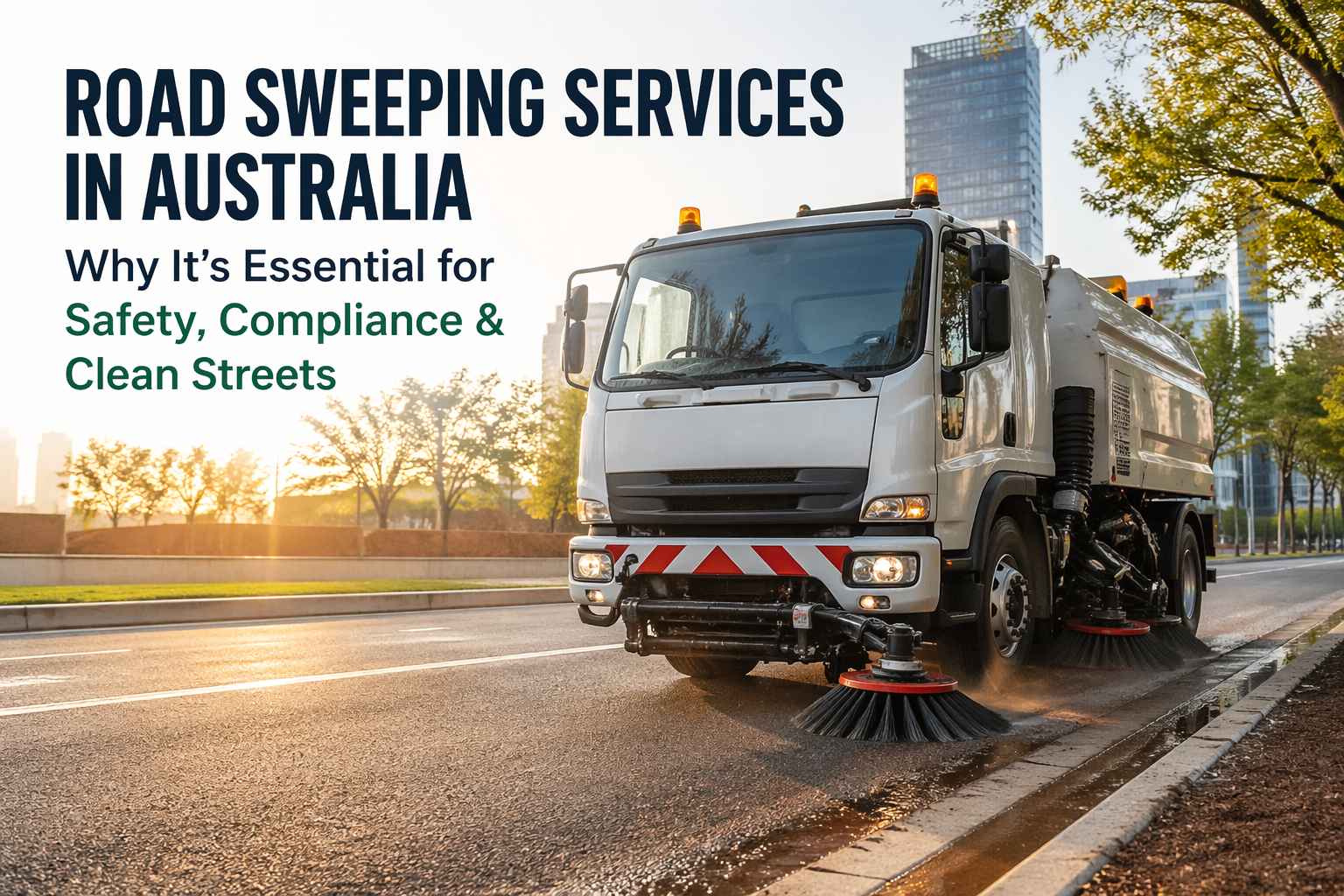
If you’ve ever seen those large trucks with rotating brushes and powerful vacuums humming along the curb at 4:00 AM, you’ve seen a road sweeping service by Civilcraft in action. At its core, it is a specialised cleaning process designed to remove debris and pollutants from paved surfaces.
Unlike a standard broom, these industrial-grade machines are designed to capture everything from heavy gravel and glass to fine particulate matter that is invisible to the naked eye.
Most modern services in Australia use regenerative air or vacuum-assisted sweepers that ensure dust is sucked up rather than just pushed around, which is vital for maintaining air quality in our busy hubs.
Why is Road Sweeping Important?
The reasons for consistent street maintenance go far beyond “curb appeal.” In fact, if we stopped sweeping tomorrow, the ripple effects would be felt across the community almost instantly.
1. Environmental Protection and Our Waterways
- In Australia, we are incredibly protective of our coastlines and rivers. When it rains, everything on the road, oil, heavy metals, plastic, and organic waste, gets washed into the storm drains.
- Most people don’t realise that storm drains usually lead directly to our oceans and rivers without being filtered. Regular commercial road cleaning prevents these pollutants from ever reaching our delicate marine ecosystems.
2. Road Safety and Longevity
- Loose gravel and sand act like ball bearings under car tires, significantly increasing the risk of skidding, especially for motorcyclists and cyclists.
- Furthermore, when debris sits on the bitumen, it acts as an abrasive, wearing down the road surface faster. By keeping the streets clear, we actually extend the life of our infrastructure, saving taxpayers and businesses money in the long run.
3. Pest and Flood Control
- Organic debris like leaves and grass clippings might seem harmless, but when they accumulate in gutters, they rot and attract pests.
- More dangerously, they block drainage pits. During an Australian downpour, blocked drains lead to localised flooding, which can cause thousands of dollars in property damage.
Construction Site Road Cleaning Services
One of the most high-stakes areas for this industry is the building sector. If you’ve ever driven past a major development, you’ve seen the mud tracks leading out of the gates. This is where construction site sweeping becomes mandatory.
Australian regulations are very strict about “track-out”, the mud and dust that vehicles carry from a site onto public roads. Not only is it a safety hazard for other drivers, but it can lead to massive fines from local councils or the EPA.
Professional site sweeping ensures that the “interface” between a messy job site and a clean public road remains safe and compliant.
What is the Road Sweeping Cost in Australia
One of the most common questions for site managers and strata committees is: What am I looking at in terms of budget?
The road sweeping cost Australia varies depending on your location and the scale of the job. Generally, most providers charge an hourly rate, which usually includes the operator and the specialised vehicle.
- Standard Hourly Rates: Expect to pay anywhere from $120 to $200 per hour, often with a minimum hire period (usually 3–4 hours).
- Disposal Fees: Since the debris collected can be “contaminated” (containing oils or heavy metals), there is often a tipping fee associated with disposing of the waste at a registered facility.
If the site is remote, you might see a “mobilisation” fee. While it might seem like a significant expense, it is far cheaper than a $5,000 fine for environmental non-compliance or the cost of repairing a flooded warehouse.
Street Sweeping Near Me: Finding a Reliable Partner
When you start searching for “street sweeping near me,” you’ll find plenty of options, but not all are created equal.
In Australia, you want a partner who understands the local regulations and has a fleet that can handle our specific terrain. Reliable providers like Civilcraft offer more than just a truck; we offer:
- GPS Tracking: So you can prove to the council exactly when and where the sweeping occurred.
- Compliance Reporting: Documentation that helps you meet your environmental obligations.
- Emergency Response: Crucial for construction sites if a spill happens and needs immediate attention.
Why Choose Civilcraft?
If you are looking for top-tier service, Civilcraft has built a reputation for being the go-to experts across the country. We understand that a construction project in the outback has different needs than a shopping center parking lot in the CBD.
By utilising the latest technology and highly trained operators, we ensure your site stays safe, your business stays compliant, and the local community stays clean.
Also Read:- Cleaning Services Sydney: Complete Guide to Costs, Types & How to Choose the Right Service
Final Thoughts
Keeping our streets clean is a shared responsibility. Whether you’re a developer protecting your site’s reputation or a council worker protecting the local river, professional road sweeping is the most effective tool we have to keep Australia moving safely and sustainably.
FAQs
Q: How often should a construction site be swept?
A: For active sites, daily site sweeping is usually recommended to prevent mud build-up, especially during the rainy season or during heavy excavation phases.
Q: Can road sweepers pick up liquids?
A: While they are designed for solids, many road cleaning vehicles can handle damp debris. However, for major liquid spills, specialised spill response equipment is usually required.
Q: Does road sweeping happen in the rain?
A: Yes! In fact, sweeping during light rain can sometimes be more effective at lifting stubborn, stuck-on silt from the bitumen.
Q: Is the waste from sweepers recycled?
A: Many Australian providers take their waste to specialised facilities where organic matter is composted, and metals are screened out for recycling.
Q: How long does it take to sweep a standard car park?
A: A medium-sized retail car park can usually be thoroughly cleared in 1 to 2 hours, depending on the amount of debris and the number of obstacles like bollards.