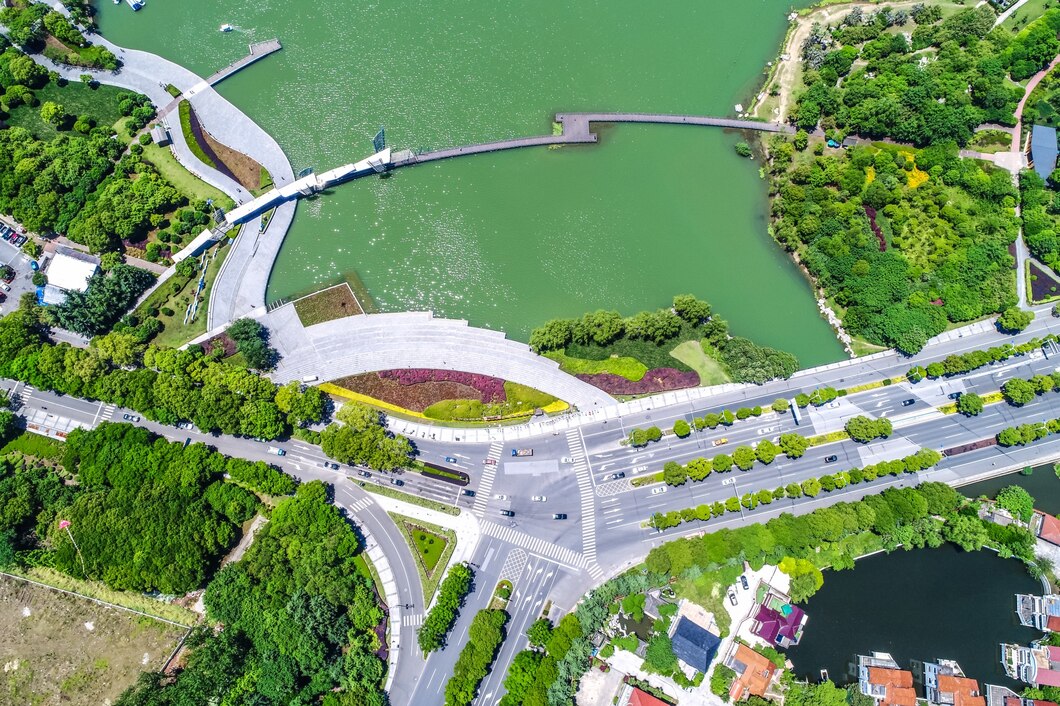
“Stormwater” certainly isn’t the first thing that comes to mind when you think about city planning. But how cities deal with rainwater may make or break their ecology. Due to climate change and urbanisation, conventional systems typically have a hard time dealing with more rain.
It can lead to flooded streets and dirty rivers. That’s where green stormwater infrastructure comes in. It’s a nature-inspired technique for communities to cope with water that is transforming how they do it. Let’s talk about what it truly means, how it works, and why it’s changing the way cities work today.
What is Green Stormwater Infrastructure (GSI)?
Green stormwater infrastructure is a group of design elements and strategies that employ natural processes to handle rainwater where it falls, instead of sending it all to drains and pipelines.
Grey infrastructure, or traditional stormwater systems, use concrete gutters, sewers, and tunnels to move rainfall away from buildings and roadways. They work, however, they often bring complications like:
- Urban flooding
- Pollution entering rivers and lakes
- Overloaded drainage systems during heavy rainfall
GSI turns that idea on its head. It doesn’t rush water out; instead, it collects, filters, and absorbs it through plants and soil. Think of it as working with nature instead of against it.
Common Examples of Green Stormwater Infrastructure
To help you understand GSI better, let’s look at some examples from the real world that you could have observed in your area or city:
- Urban Trees and Green Streets:- Street trees offer more than just giving shade. Their roots soak up rainwater and clean it of impurities. When used with appropriately built curbs or tree pits, they make a strong GSI system.
- Rain Gardens:- These are shallow holes that are planted and catch water that runs off of roofs, sidewalks, and roadways. The plants and soil help clean the water before it goes back into the ground.
- Bioswales:- Long, vegetated canals that slow down and purify stormwater as it moves. They are commonly erected next to roads or parking lots.
- Permeable Pavements:- Permeable pavements let rainwater pass through them and into the soil below, which cuts down on surface runoff.
- Green Roofs:- A roof covered with plants not only looks nice, but it also absorbs rainwater, lowers runoff, and keeps buildings cooler.
- Constructed Wetlands: These artificial wetlands act like real ones by storing and cleaning up runoff and providing homes for animals.
How Does Green Stormwater Infrastructure Work?
Here’s the simple science behind it: Rain can’t seep into the earth when it falls on hard surfaces like roadways, rooftops, or parking lots. That water, which is termed runoff, rushes down drains and picks up debris, oil, and chemicals along the way.
Green stormwater infrastructure catches the runoff early on. It slows down the flow of water by using plants, soil, and natural filters. It helps cities manage rain more sustainably, and that’s becoming increasingly important.
- Slows down the flow of water
- Filters out pollutants like sediments, metals, and fertilizers
- Reduces pressure on stormwater systems and treatment plants
- Let the water soak into the ground, replenishing groundwater supplies
Why Cities Need Green Stormwater Infrastructure
1. Climate Change Is Causing More Intense Storms
- Cities worldwide are experiencing heavier and more frequent rainfall. Regular storm drains weren’t made to hold so much water at once. GSI helps water soak up and slow down runoff, which reduces flash floods and protects communities from damage.
2. Flood Prevention and Cost Savings
- Fixing and cleaning up flooded streets, basements, and public places can cost millions of dollars. By investing in green infrastructure, cities can stop disasters like this from happening and save taxpayers’ money in the long run.
3. Cleaner Waterways
- When it rains, untreated runoff pours harmful chemicals straight into lakes and rivers. GSI naturally filters out these contaminants before they reach water bodies, which makes the water better overall.
4. Enhanced Urban Beauty and Livability
- Imagine a city with streets lined with trees, green walkways, and gardens on the tops of buildings. Green stormwater infrastructure does more than alleviate drainage problems; it also helps communities look better, provides shade, and cools off cities.
5. Improved Public Health
- Less flooding means fewer locations for mosquitoes to lay their eggs and less polluted standing water. Also, green places encourage individuals to spend time outside, which is healthy for their mental and physical health.
6. Economic and Social Benefits
- Studies show that properties next to green infrastructure projects often go up in value. Cities save money on long-term maintenance compared to traditional systems, while local businesses benefit from having nicer places to work.
How Cities Are Using Green Stormwater Infrastructure
Across the world, cities are realising that “grey” isn’t always the best colour for water systems. These cities prove that green solutions can go hand-in-hand with modern infrastructure. Here are a few inspiring examples:
- Philadelphia (USA):- The city’s “Green City, Clean Waters” program invests billions in GSI to reduce stormwater pollution and beautify neighbourhoods.
- Singapore:- Through its “ABC Waters Programme,” Singapore turns storm drains into beautiful, park-like spaces that clean and store rainwater.
- Portland (Oregon):- Known for its rain gardens and green roofs, Portland integrates nature into almost every public works project.
- Melbourne (Australia):- Uses urban wetlands and green corridors to improve water quality and support biodiversity.
Challenges of Implementing Green Stormwater Infrastructure
Of course, it’s not all smooth sailing. Cities may face a few hurdles when shifting to green methods. However, these challenges are small compared to the environmental and social payoffs. With the right planning and partnerships, cities can overcome them.
- High upfront costs: While GSI saves money long-term, initial investments in design and construction can be high.
- Public awareness: Not everyone understands the benefits of GSI, so community education is key.
- Space limitations: Dense urban areas may struggle to find spots for rain gardens or wetlands.
- Maintenance needs: Plants, soil, and drainage systems need regular care to stay effective.
Final Thoughts
The future is green. As sustainability becomes increasingly essential in municipal planning, green stormwater infrastructure by Civilcraft may become standard rather than an experiment. Engineers, architects, and policymakers are integrating GSI with smart technology like soil moisture and water movement sensors.
Rainy cities should “breathe” and change organically. Sydney and Melbourne are exploring green drainage techniques to reduce monsoon flooding and save groundwater. Adding natural systems to concrete jungles is no longer a luxury; it is required. This long-term solution blends engineering and ecology to make cities healthier, cleaner, and stronger.
GSI sees rainwater as a resource, not a problem. It transforms buildings into living ecosystems that benefit humans, animals, and the world. So the next time you stroll by a street with a lot of green or a rooftop garden, keep in mind that it’s not just for show. It’s the way people will live in cities in the future.
FAQs
Q:- What is green stormwater infrastructure?
Ans:- It’s a system that uses natural methods like soil and plants to manage and filter rainwater where it falls.
Q:- How is it different from traditional stormwater systems?
Ans:- Unlike concrete drains, it absorbs and filters water naturally instead of just diverting it away.
Q:- What are some examples of green stormwater infrastructure?
Ans:- Rain gardens, green roofs, permeable pavements, bioswales, and urban trees.
Q:- Why do cities need green infrastructure?
Ans:- It helps reduce flooding, improve water quality, and make cities greener and healthier.
Q:- Is green stormwater infrastructure expensive to build?
Ans:- Initial costs can be higher, but it saves money long-term by reducing flood damage and maintenance costs.