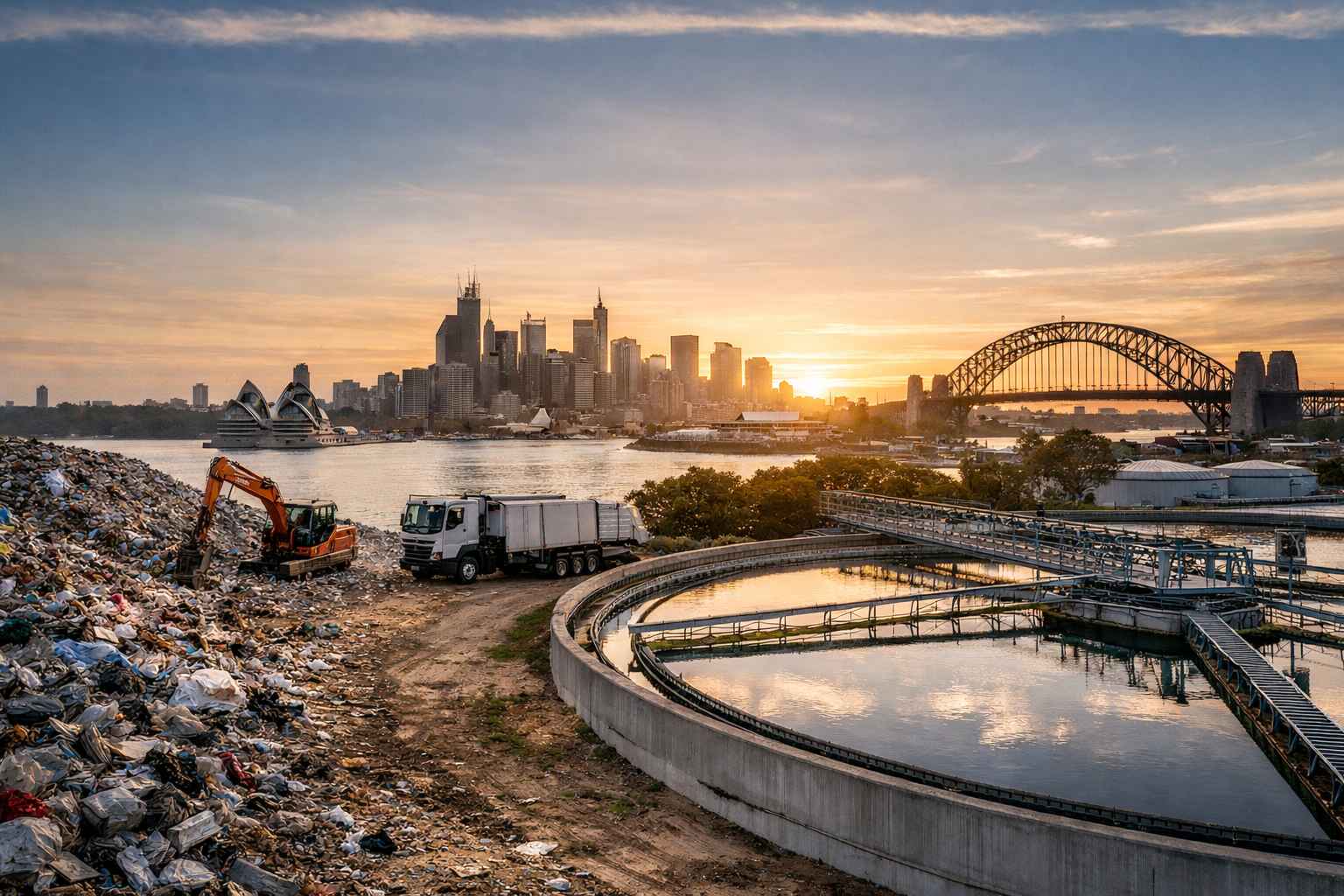
In Australia, we have a bit of a complicated relationship with water. One year, we’re checking dam levels every morning during a record-breaking drought, and the next, we’re watching our suburban streets turn into rivers during a flash flood. It’s the “sunburnt country” cliché in action, but for those of us living through it, it’s a serious logistical challenge.
As our cities grow and our climate gets a bit more unpredictable, the “invisible” stuff under our feet, the pipes and the treatment plants, becomes the most important part of our national story. This is where water infrastructure services come into play. They aren’t just about plumbing; they are the literal backbone of sustainable development in Australia.
The Great Australian Balancing Act
Sustainable development sounds like a fancy corporate buzzword, but in reality, it’s just about making sure we don’t run out of the things we need to survive while we grow. In Australia, that “thing” is water.
We are the driest inhabited continent on Earth, yet we have some of the highest water usage rates per capita.
To keep our economy moving and our environment healthy, we have to get incredibly smart about how we move, store, and clean every single drop. Water infrastructure services are the tools that allow us to do that.
Without them, we’re basically just waiting for the next rain cloud and hoping for the best, which isn’t much of a plan.
Why Stormwater Management is the Unsung Hero
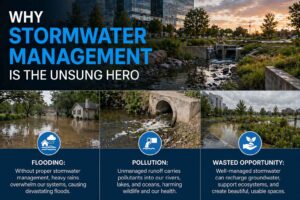
When people think of water infrastructure, they usually think of big dams or the tap in their kitchen. But stormwater management is arguably just as critical for a sustainable future. Think about a typical Aussie summer storm. Huge amounts of rain hit our concrete jungles (roads, roofs, and driveways) all at once. If that water isn’t managed:
- Flooding:- It backs up into homes and businesses.
- Pollution:- It picks up oil, trash, and chemicals from the street and flushes them straight into our beautiful harbours and rivers.
- Wasted Opportunity:- We lose millions of litres of water that could have been captured and reused to water our parks or flush our toilets.
Modern stormwater administration is about turning a “threat” (floodwater) into an “asset” (recycled water). By building better drainage systems and “sponge city” infrastructure, we protect our environment and our property at the same time.
The Pillars of Sustainable Water in Australia
To reach a sustainable future, Australian water infrastructure needs to focus on three big things:
Resilience Against Extremes
- Our infrastructure was mostly built for the climate of 50 years ago. Today, we need systems that can handle “once-in-a-century” floods every few years. It means upgrading old pipes and building smarter detention basins that can hold massive amounts of water and release it slowly.
Water Circularity
- We can’t just keep taking water from rivers and dumping it in the ocean. Sustainable development requires “closed-loop” systems. It involves treating wastewater to a high standard so it can be used for industry and agriculture, leaving our precious drinking water for drinking.
Protecting Biodiversity
- Good water infrastructure services don’t just help humans; they help the “locals” too (the platypuses, fish, and birds). By filtering runoff and maintaining natural flow levels in our waterways, we ensure that Australia’s unique ecosystems don’t vanish as our suburbs expand.
How Civilcraft is Building Australia’s Water Future
Building this kind of high-tech, sustainable infrastructure isn’t a DIY job. It requires specialists who understand the unique Australian landscape—from the red dust of the outback to the high-density coastal cities. This is where Civilcraft comes in.
As a leader in civil engineering and infrastructure, Civilcraft has become a go-to partner for complex water infrastructure services across Australia. We don’t just “dig holes”; we provide the technical expertise needed to make our water systems last for generations. Civilcraft’s role in sustainable development includes:
- Precision Engineering:- We specialise in the installation and maintenance of heavy-duty water mains and complex drainage networks.
- Industrial Expertise:- We work with industrial properties to ensure their water runoff is treated and managed, meeting Australia’s strict environmental regulations.
- Infrastructure Maintenance:- A leaky pipe is a wasted resource. Civilcraft’s maintenance services ensure that existing infrastructure stays “water-tight,” preventing the loss of billions of litres of treated water.
- Expert Stormwater Management:- From installing massive gross pollutant traps (which stop trash from hitting our oceans) to building state-of-the-art detention tanks, Civilcraft helps councils and developers manage runoff effectively.
When you see a new sustainable housing development or a refurbished industrial hub that handles rain like a pro, there’s a good chance a team like Civilcraft was behind the scenes making it happen.
Also Read:- Waste Management Sydney in 2026 : New Regulations and Smarter Waste Solutions
Final Thoughts: Investing in Our Liquid Gold
Water is the most valuable “currency” Australia has. As we look toward the future, investing in high-quality water infrastructure services isn’t an optional extra; it’s a survival requirement.
By focusing on smart stormwater management and partnering with experienced firms like Civilcraft, you can make sure that Australia remains a great place to live, no matter what the weather decides to do next.
FAQs
Q:- What exactly are water infrastructure services?
Ans:- They include everything related to the supply, treatment, and management of water, including drinking water pipes, sewage systems, and stormwater drains.
Q:- Why is managing so important in Sydney?
Ans:- With high density and heavy seasonal rains, Sydney is prone to flash flooding. Effective management prevents property damage and keeps our harbour clean from urban runoff.
Q:- Does Civilcraft work on private or public projects?
Ans:- Both! Civilcraft partners with local government councils for public works and works with private developers and industrial clients on large-scale infrastructure projects.
Q:- How does water infrastructure help the environment?
Ans:- It prevents erosion, reduces pollution in natural waterways, and allows us to recycle water, which reduces the pressure on our natural rivers and dams.
Q:- Can old infrastructure be made sustainable?
Ans:- Yes. Through “retrofitting,” companies like Civilcraft can upgrade old systems with modern sensors, better filters, and increased capacity to handle today’s climate demands.