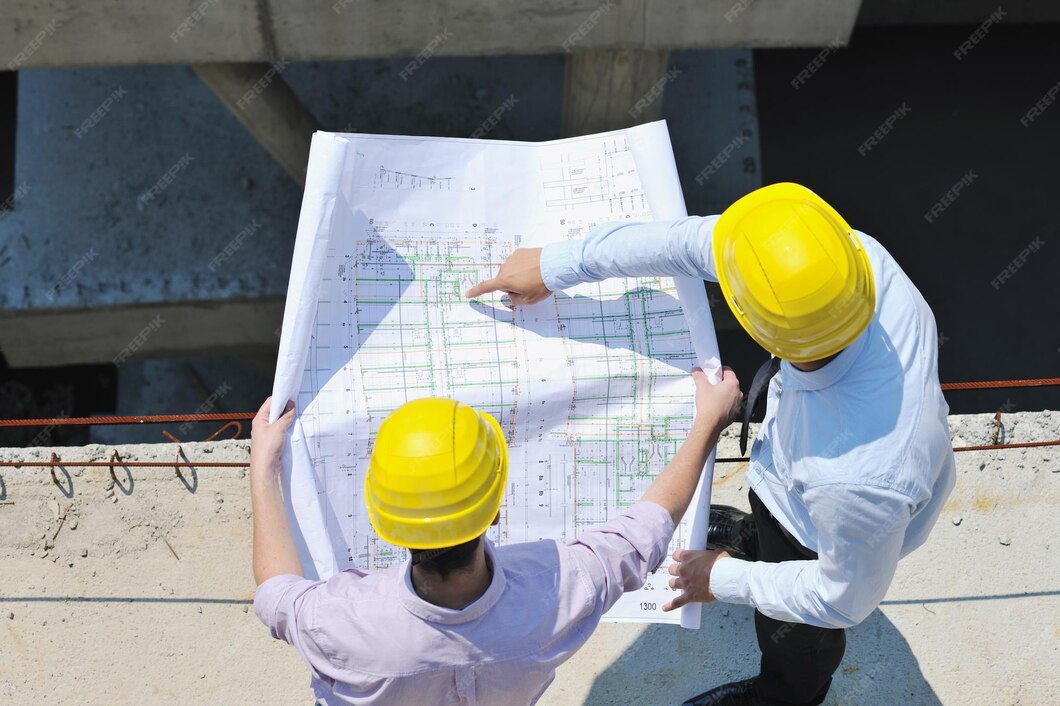
When you step onto a newly built highway, a rejuvenated waterfront, or use upgraded utilities in your neighbourhood, chances are a team of civil contractors played a major role in making it happen. In Australia, these professionals are the backbone of infrastructure development.
They make big ideas into useful, long-lasting infrastructure that people can depend on for decades. Their work affects everything, from water systems to transportation systems.
For instance, contractors in Sydney run big projects in cities, and regional teams make it easier for people in rural areas to get to cities. Today, we are going to talk about what these people do, why they are important, and how they are changing construction projects.
Understanding the Role of Civil Contractors
Civil contractors build, fix, and maintain infrastructure. While engineers and architects handle design and planning, contractors bring these plans to life, overseeing materials, machinery, manpower, and timelines. Their responsibilities can include:
- Site preparation – Clearing land, grading, and ensuring proper drainage
- Construction – Roads, bridges, tunnels, airports, dams, hospitals and pipelines
- Project management – Coordinating subcontractors, engineers, suppliers, and site safety
- Quality assurance – Ensuring construction work meets regulatory and contractual standards
- Maintenance and repairs – Extending the life of infrastructure assets through maintenance
Both public and private projects need to have these contractors because they know how to follow rules and have expert skills.
Civil Contractors in Australia: Meeting Diverse Infrastructure Needs
Australia’s infrastructure landscape is vast and varied. In places like Sydney, Melbourne, and Brisbane, we need high-density solutions. While in rural and remote areas, we need strong buildings that can stand up to the weather. Civil contractors in Australia are well-versed in meeting these challenges. They adapt to:
- Harsh climates – From the tropical north to the arid outback
- Complex logistics – Transporting equipment to remote locations
- Strict environmental regulations – Protecting local ecosystems and heritage sites
- Rapid urban growth – Building infrastructure that can scale with population demand
Because they are so adaptable, they can work on many different projects, from adding on to metro rail lines to creating water treatment plants. Each one is tailored to the needs of the community and the weather in the area.
The Sydney Example: Urban Complexity at Its Peak
When talking about civil contractors in Sydney, you’re looking at some of the most complex urban projects in Australia. Sydney’s infrastructure needs are shaped by:
- Coastal environment – Managing marine and shoreline construction
- Historical preservation – Protecting heritage buildings during new works
- Population density – Building in congested areas with minimal disruption
- Integrated transport – Expanding metro, rail, and road networks simultaneously
Recent projects, like the Sydney Metro and WestConnex motorway, highlight the expertise of civil constructors who balance tight timelines, environmental standards, and community engagement.
How Civil Contractors Shape Modern Infrastructure

Civil contractors don’t just “build”; they help shape the design, efficiency, and sustainability of modern infrastructure in five key ways:
1. Early Project Involvement
- These days, contractors are often involved in the planning stage, helping to pick out supplies, keep costs down, and make sure the project can be built. In the future, their plans could help keep redesigns from costing a lot of money.
2. Sustainability Practices
With growing pressure for greener construction, contractors are implementing:
- Water-sensitive urban design (WSUD)
- Recycled materials in road bases
- Energy-efficient machinery
- Waste minimisation on site
3. Innovation in Methods and Technology
- From drone surveying to Building Information Modelling (BIM), these contractors are embracing technology to improve accuracy, safety, and efficiency.
4. Risk Management
- Bad weather, not having enough goods, and accidents that hurt people are all things that can go wrong with infrastructure projects. Builders plan what to do if something goes wrong and follow strict safety rules to keep jobs moving along.
5. Community Engagement
- To keep things going smoothly, contractors work with the government, businesses, and people in the community. It is an essential factor for public acceptance of large-scale works.
Skills and Qualities of Successful Civil Contractors
The best contractors in Australia share certain traits:
- Strong leadership – Managing large, multidisciplinary teams
- Problem-solving skills – Finding solutions under tight deadlines
- Adaptability – Adjusting to changing project conditions or regulations
- Commitment to safety – Ensuring every worker returns home unharmed
- Technical knowledge – Understanding construction techniques and compliance rules
Choosing the Right Civil Contractor for Your Project
Business owners, developers, and government agencies need to choose the correct civil contractor. Think about these things:
- Licensing and accreditation – Are they fully certified for Australian building standards?
- Experience and portfolio – Have they completed similar projects in scale and scope?
- Local knowledge – Especially important for projects in specific regions like Sydney
- Capacity – Do they have the resources to deliver on time and on budget?
- Reputation – Check client reviews and industry references
When working on projects in Australia’s busy cities, hiring local contractors who know the rules set by the municipality and how to handle traffic will save you time and money.
The Future of Civil Contracting in Australia
The need for skilled contractors will only expand in the future. The Australian government’s focus on infrastructure spending, which includes transportation, water, and energy, will lead to billions of dollars in projects over the next ten years. Some of the trends that are shaping the industry are:
- Resilience building – Designing infrastructure to withstand extreme weather events
- Sustainable infrastructure – Low-carbon materials, renewable energy integration
- Digital transformation – AI-driven project management, real-time site monitoring
- Workforce development – Training programs to address skills shortages
Civil contractors who embrace these changes will be at the forefront of building Australia’s next generation of infrastructure.
Also Read:- Innovations in Non-Disruptive Concrete Repair Technologies
Final Thoughts
Contractors are making Australia’s infrastructure expand, from local community projects to billion-dollar national programmes. They use their technical skills, management skills, and knowledge of local requirements to build buildings that keep our country moving, connected, and strong.
Whether you’re hiring civil contractors in Sydney to build a high-profile transport link or a regional team to improve utilities, the ideal contractor will provide more than just tools and workers. They will also bring vision, experience, and a commitment to quality that will last.
FAQs
Q:- What do civil contractors do in Australia?
Ans:- They are in charge of building, upgrading, and keeping up infrastructure projects like roads, bridges, utilities, and public areas.
Q:- Are contractors in Sydney more costly?
Ans:- Sydney’s urban projects are more complicated, making it harder to get to the site, and staff costs are higher, which can make costs higher.
Q:- How do I choose the best civil contractor?
Ans:- Look for someone who has worked on similar projects before, is properly licensed, knows the area well, and has a good track record.
Q:- Do civil constructors make sure that the environment is safe?
Ans:- Yes, good contractors make sure their projects follow environmental rules, and they often engage with specialists to protect ecosystems.
Q:- What’s the future for contractors in Australia?
Ans:- The industry is moving towards more sustainable, tech-driven, and resilient infrastructure solutions, backed by significant government investment.