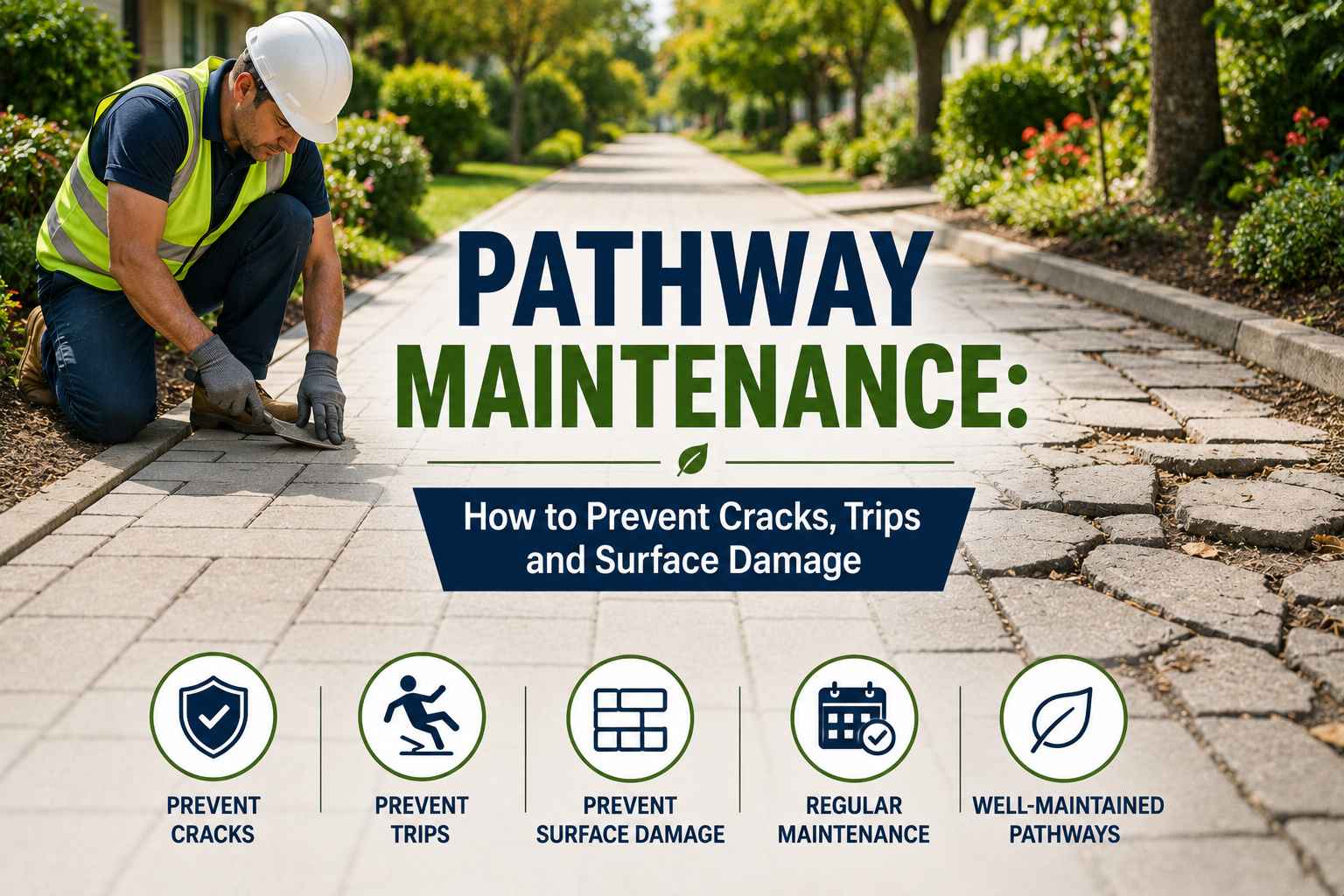
Walkways and pathways are something most people hardly notice until there’s a problem. A small crack, an uneven surface, or a damaged edge can quickly become a safety hazard for pedestrians, cyclists, and property owners alike.
At Civilcraft, we’ve worked on a wide range of infrastructure and surface improvement projects across Australia. One thing we’ve learned is that good pathway maintenance isn’t just about making pathways look better.
It’s about keeping people safe, extending the life of the surface, and avoiding costly repairs down the track. Whether it’s a public footpath, shared pathway, commercial walkway, or residential access path, regular maintenance can make a significant difference.
Why Pathway Maintenance Matters
Pathways experience constant wear and tear. Every day, they are exposed to foot traffic, weather conditions, tree roots, and natural ground movement. Without ongoing maintenance, small issues can quickly turn into major problems. Proper pathway maintenance helps:
- Reduce trip hazards
- Prevent water damage
- Extend pavement lifespan
- Improve pedestrian safety
- Lower long-term repair costs
- Improve the appearance of public and private spaces
For councils, businesses, schools, and property managers, maintaining pathways is an important part of risk management and public safety.
What Causes Pathways to Crack Over Time?
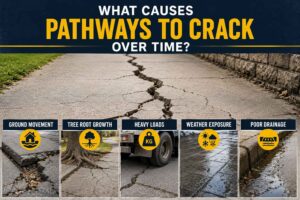
Cracks rarely appear without a reason. In most cases, they’re the result of multiple factors working together over several years. Some of the most common causes include:
-
Ground Movement
Australia’s soil conditions can expand and contract depending on moisture levels. This movement places pressure on pathway surfaces and can eventually lead to cracking.
-
Tree Root Growth
Tree roots are one of the leading causes of pathway damage. As roots grow underneath the surface, they can lift sections of concrete and create uneven areas.
-
Heavy Loads
Maintenance vehicles, delivery equipment, and occasional heavy traffic can place additional stress on surfaces that were designed primarily for pedestrians.
-
Weather Exposure
Extreme heat, heavy rainfall, and temperature fluctuations can gradually weaken pathway materials.
-
Poor Drainage
Standing water can slowly weaken foundations and contribute to surface deterioration over time.
Identifying these issues early allows maintenance teams to address problems before they become serious safety concerns.
Signs Your Pathway Needs Attention
Many pathway issues begin with small warning signs. Even minor defects can increase the risk of slips, trips, and falls if left untreated. Keep an eye out for:
- Uneven slabs
- Water pooling
- Surface lifting
- Hairline cracks
- Edge deterioration
- Loose paving materials
- Discoloured or damaged sections
When Should Damaged Pathways Be Repaired?
The short answer is as soon as damage becomes visible. Many property owners wait until cracks become large or surfaces become unsafe. Unfortunately, this often results in more extensive and expensive repairs. Prompt repairs are recommended when:
- Surface levels become uneven
- Water starts pooling regularly
- Tree root damage appears
- Sections become unstable
- Trip hazards are identified
- Cracks begin to widen
Early intervention often means smaller repairs and lower costs compared to complete pathway reconstruction.
Pedestrian Pathway Maintenance Best Practices
Successful pedestrian pathway maintenance by Civilcraft involves more than occasional repairs. It requires a proactive approach that focuses on prevention.
-
Conduct Regular Inspections
Routine inspections help identify developing issues before they become major problems. High-traffic areas should be inspected more frequently than low-use pathways.
-
Manage Vegetation
Tree roots, overgrown shrubs, and surrounding landscaping should be monitored regularly. Proper root management can significantly reduce future pathway damage.
-
Keep Surfaces Clean
Dirt, moss, leaves, and debris can create slip hazards and trap moisture against pathway surfaces. Regular cleaning helps maintain both safety and appearance.
-
Address Drainage Problems
Water is one of the biggest threats to pathway longevity. Ensuring proper drainage helps prevent erosion, foundation weakening, and surface deterioration.
-
Repair Small Defects Early
Small cracks can often be sealed before they spread into larger structural issues.
How Do Councils Maintain Public Walkways?
Local councils across Australia are responsible for maintaining large networks of public pathways and footpaths. Most councils use a combination of:
- Scheduled inspections
- Surface repair projects
- Asset management programs
- Community reporting systems
- Preventative maintenance schedules
- Full pathway replacement when required
Many councils prioritise repairs based on safety risk, pathway usage levels, and the severity of the damage. The goal is to ensure public walkways remain safe, accessible, and compliant with community standards.
The Importance of Professional Pathway Repair Services
While minor maintenance tasks can sometimes be managed in-house, larger repairs often require professional expertise. Quality pathway repair services provide several advantages:
- Compliance and Safety: Repairs must often meet accessibility and safety requirements, particularly in public spaces.
- Accurate Assessment: Experienced contractors can identify underlying causes rather than simply repairing visible damage.
- Long-Term Solutions: Professional repairs focus on durability and reducing the likelihood of recurring problems.
- Cost Efficiency: Addressing issues correctly the first time helps avoid repeated repair expenses.
At Civilcraft, we understand that every pathway has unique challenges. Our approach focuses on practical solutions that improve safety while maximising the lifespan of existing infrastructure.
What Is the Safest Material for Pathways?
There is no single material that works best in every situation. However, several materials consistently perform well in Australian conditions.
Concrete
Concrete remains one of the most popular
- Durability
- Long service life
- Low maintenance
- Slip-resistant finishes
Asphalt
- Asphalt provides a smooth surface and is commonly used for shared pedestrian and cycling pathways.
Exposed Aggregate Concrete
- This option offers improved slip resistance and attractive aesthetics.
Pavers
- Pavers can be effective when properly installed and maintained, although they may require periodic adjustments over time.
The safest choice ultimately depends on factors such as location, expected traffic, weather exposure, accessibility requirements, and maintenance plans.
Also Read:- Irrigation Systems Maintenance: Common Problems That Waste Water and Damage Landscapes
Final Thoughts
Pathways are a critical part of Australia’s public and private infrastructure. Keeping them safe and functional requires ongoing attention, regular inspections, and timely repairs.
Effective pathway maintenance helps prevent accidents, reduce long-term costs, and extend the lifespan of valuable assets.
By addressing small issues early and investing in professional maintenance when needed, property owners and councils can avoid many of the problems that lead to major surface damage.
At Civilcraft, we believe that proactive maintenance is always more effective than waiting for a pathway to fail. A well-maintained pathway doesn’t just look better. It creates safer, more accessible spaces for everyone who uses it.
FAQs
Q:- Why do pathways crack?
Ans:- Usually, it is due to soil movement, weather, roots, and wear.
Q:- How often should pathways be inspected?
Ans:- At least annually, or more often in busy areas.
Q:- Can small cracks be repaired?
Ans:- Yes, early repairs prevent larger damage.
Q:- Are uneven pathways dangerous?
Ans:- Yes, they increase trip and fall risks.
Q:- Is pathway maintenance expensive?
Ans:- Regular maintenance is usually cheaper than replacement.